For businesses operating from factories, manufacturing facilities and other industrial premises, deciding whether to refurbish an existing building or invest in a new development can have a significant impact on future operations.
The right approach depends on several factors, including the condition of the property, available space, operational requirements and long-term business plans.
Industrial building refurbishment can help modernise ageing facilities, improve energy efficiency and adapt existing spaces to meet changing demands.
Alternatively, constructing a new industrial building provides greater flexibility to design a purpose-built facility around specific manufacturing processes, equipment and future expansion.
But refurbishment and new construction aren’t always the only options. Extending an existing facility may provide the additional capacity a business needs without relocating or replacing the entire building.
With over 50 years of experience, Jarvale Construction delivers industrial construction services across the UK, specialising in new-build manufacturing facilities, purpose-built industrial developments and additional buildings at existing operational sites.
In this guide, we explore the advantages and limitations of refurbishment, new builds and extensions, helping businesses understand the practical, financial and operational considerations before deciding how to develop their industrial premises.
What Is Industrial Building Refurbishment?
Industrial building refurbishment involves repairing, upgrading or adapting an existing industrial property to improve its condition, functionality and suitability for modern business operations. Rather than constructing an entirely new facility, refurbishment makes use of the existing building wherever practical, helping businesses extend its useful life.
For factories, manufacturing facilities and industrial units, refurbishment can range from relatively straightforward improvements to extensive structural alterations and internal reconfiguration.
Common industrial refurbishment works include:
- Structural repairs and alterations to accommodate changing operational requirements.
- Roofing and cladding upgrades to improve weather protection and thermal performance.
- Internal reconfiguration of production areas, storage facilities, offices and welfare spaces.
- Mechanical, electrical, ventilation and lighting system upgrades.
- Energy efficiency improvements to reduce consumption and improve building performance.
- Industrial flooring, drainage and external infrastructure improvements.
- Fire safety, accessibility and other compliance-related upgrades where required.
Refurbishment can also support a business’s sustainability objectives by retaining suitable existing building elements and reducing the need for replacement materials. Where appropriate, improvements can be incorporated through building decarbonisation services.
However, the feasibility of industrial building refurbishment depends on the condition of the existing structure, the limitations of the site and whether the upgraded facility can accommodate the business’s long-term requirements.
When Does Refurbishing an Industrial Building Make Sense?
Refurbishing an existing industrial building can be a practical option when the property remains structurally suitable but no longer fully meets a business’s operational requirements. For manufacturers, distributors and other industrial businesses, upgrading an established facility may offer advantages over relocating or commissioning an entirely new development.
Industrial building refurbishment is particularly worth considering when:
- The existing structure is in good condition: If the building’s foundations, structural frame and main components remain suitable, refurbishment may allow businesses to retain valuable existing infrastructure.
- The current location supports business operations: Remaining at an established site can preserve access to transport networks, suppliers, employees and customers.
- Operational requirements have changed: Factory refurbishment and internal alterations can help accommodate new machinery, production processes, storage arrangements or improved workflows.
- Energy performance needs improving: Upgrading insulation, lighting, heating and other building systems can help improve efficiency and reduce ongoing energy consumption.
- Business disruption can be managed: Where the project allows, refurbishment works may be delivered in phases to help maintain operations, although this requires careful planning and coordination.
- The existing building has sufficient long-term capacity: Refurbishment can be particularly worthwhile when the available space and structural configuration can support future business requirements without extensive redevelopment.
However, the suitability of refurbishment should be established through a thorough assessment of the building’s condition, structural limitations, operational requirements and proposed improvements. Hidden defects, outdated infrastructure or significant alterations can affect the scope and feasibility of the project.
For businesses that need to remain operational during construction, careful sequencing and communication are essential. Our guide to managing construction projects with minimal disruption explores some of the considerations involved in delivering works around ongoing business activities.
What Should Be Assessed Before Refurbishing an Industrial Building?
Before committing to industrial building refurbishment, businesses should establish whether the existing property can safely and economically accommodate the proposed improvements. A detailed assessment can identify potential constraints, unexpected costs and issues that could affect the construction programme.
Depending on the building and intended use, important considerations may include:
- Structural condition: Assessing the foundations, structural frame and load-bearing elements to establish their suitability for the proposed works.
- Roofing and cladding: Identifying deterioration, water ingress, insulation deficiencies and potential replacement requirements.
- Asbestos and hazardous materials: Reviewing available asbestos information and arranging appropriate surveys before refurbishment or demolition work where required.
- Flooring and load capacity: Establishing whether existing industrial floors can accommodate machinery, storage systems and operational loads.
- Building services: Assessing electrical capacity, ventilation, drainage and other infrastructure against current and future requirements.
- Site and operational constraints: Considering access, vehicle movements, ground conditions and the practical implications of construction around ongoing business activities.
When Is a New Industrial Building the Better Option?
While industrial building refurbishment can extend the useful life of existing premises, there are situations where constructing a new facility provides greater long-term value. A new industrial building offers the opportunity to develop a purpose-built environment around a business’s operational requirements, rather than adapting processes to the limitations of an existing structure.
New industrial construction may be the more suitable option when:
- The existing building has significant structural limitations: Ageing foundations, insufficient load-bearing capacity or extensive deterioration may make substantial refurbishment impractical.
- More space or a different layout is required: Modern manufacturing processes, specialist equipment and changing production requirements may demand greater floor space, increased building heights or more flexible internal layouts.
- Future expansion is a priority: A purpose-built industrial facility can be designed with future growth in mind, helping businesses accommodate additional equipment, production capacity or operational changes.
- Existing infrastructure cannot meet operational demands: Power requirements, vehicle access, drainage, loading facilities and other essential services may be difficult to upgrade within the constraints of an existing site.
- Long-term building performance is a key consideration: New construction provides opportunities to incorporate modern insulation, efficient building services and energy-conscious design from the outset.
For some industrial properties, the extent of the required alterations can make refurbishment difficult to justify. Where major elements such as structural steelwork, roofing, cladding and concrete floors need extensive replacement, businesses should consider whether the investment would be better directed towards a purpose-built facility. This is particularly relevant when the existing building also presents limitations for modern manufacturing equipment, operational layouts or future expansion.
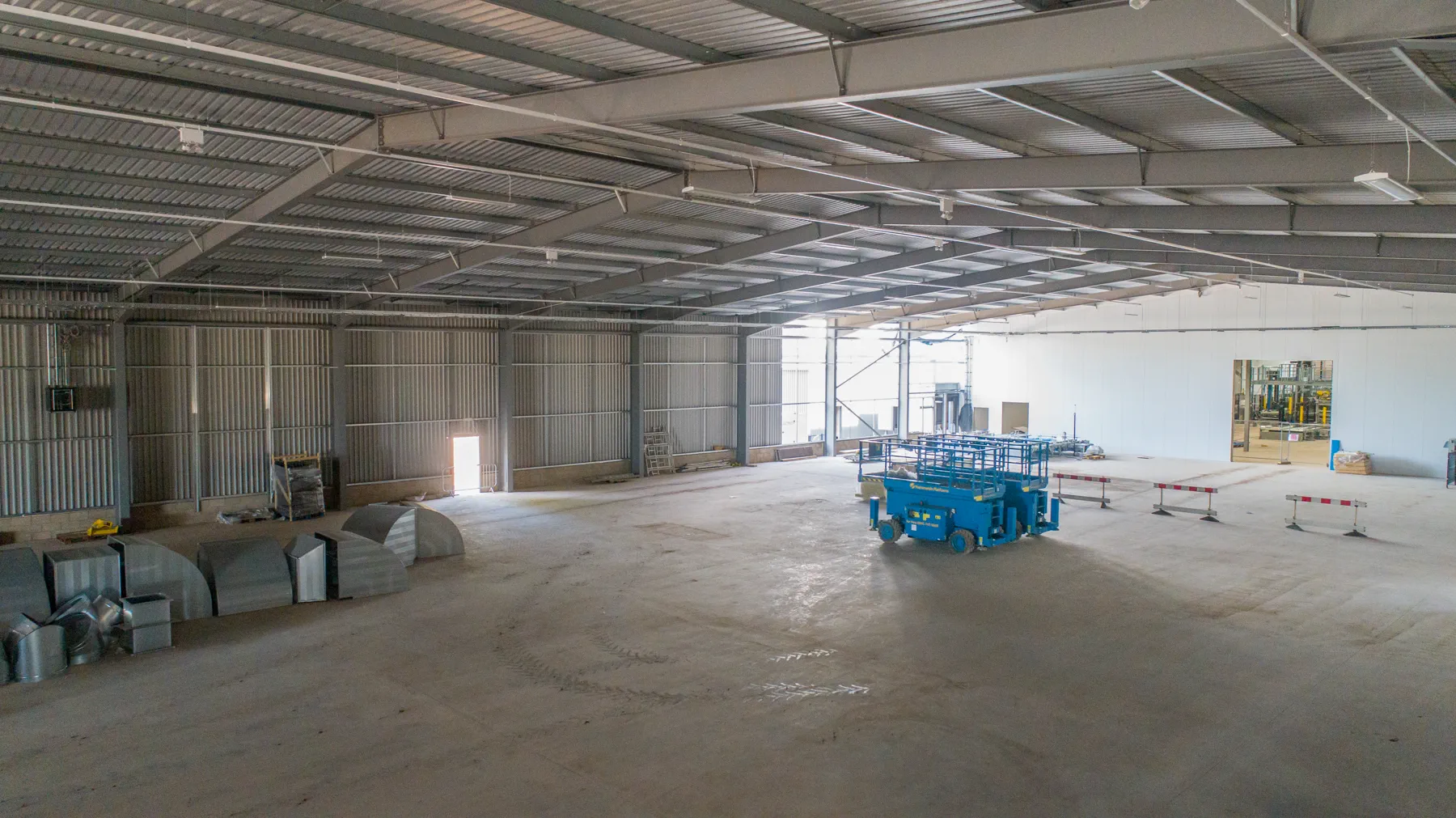
However, a new industrial development also requires careful consideration of land availability, planning requirements, infrastructure connections, construction timescales and the overall investment involved.
Working with an experienced design and build contractor can help businesses coordinate the design and construction process, ensuring that the proposed facility reflects operational needs, site constraints and long-term objectives.
For example, Jarvale delivered a purpose-built production facility for United Caps, demonstrating how new industrial construction can support the specific requirements of a manufacturing business.
Industrial Building Refurbishment vs New Build: Key Differences
Choosing between industrial building refurbishment and new construction involves balancing immediate requirements with long-term business objectives. Although refurbishment can make effective use of an existing property, a new industrial building may provide greater flexibility where substantial changes to space, infrastructure or operational processes are required.
The following comparison highlights the key considerations for businesses evaluating both approaches.
| Consideration | Industrial Refurbishment | New Industrial Build |
|---|---|---|
| Initial investment | May require less investment where substantial existing building elements can be retained, although unforeseen defects can increase costs | Requires investment in a new facility and associated infrastructure, with costs dependent on project scope and site conditions |
| Construction timescales | May be shorter for limited upgrades, but hidden defects and operational constraints can extend the programme | Requires design, approvals and construction, but may offer a more predictable programme where site conditions are well understood |
| Operational disruption | Work may need to take place around ongoing business activities | May allow existing operations to continue at another location during construction |
| Design flexibility | Constrained by the existing structure, layout and infrastructure | Greater freedom to design around specific operational requirements |
| Structural suitability | Depends on the condition and capacity of existing building elements | Structure can be designed for the intended use from the outset |
| Energy efficiency | Existing building performance can be improved through targeted upgrades | Modern energy efficiency measures can be integrated during design |
| Environmental impact | Retaining suitable existing materials may reduce demolition waste and embodied carbon | New materials and construction activities create environmental impacts, although efficient design can improve long-term performance |
| Future expansion | Limited by existing building and site constraints | Can incorporate provisions for future growth where site conditions permit |
| Planning and compliance | Approvals depend on the scope of alterations and any change of use | New developments generally require more extensive planning and regulatory consideration |
| Long-term suitability | Effective where the upgraded building can meet future requirements | Particularly suitable where a purpose-built facility is needed |
Scroll to view the table.
Neither approach is automatically more cost-effective or sustainable. A relatively straightforward industrial refurbishment may offer significant advantages, while extensive structural alterations, outdated infrastructure or major operational changes can make a new development more appropriate.
Businesses should assess the whole-life implications of each option, including construction expenditure, ongoing maintenance, energy performance, operational disruption and the potential for future expansion.
Early feasibility assessments and effective construction cost planning can help identify potential risks and establish which approach offers the best long-term value.
What About Extending an Existing Industrial Building?
For businesses that need additional production, storage or operational space, extending an existing industrial building can provide a practical alternative to refurbishment or developing an entirely new facility. An industrial building extension allows companies to increase capacity while retaining their established premises, workforce and infrastructure.
Depending on the existing building and available land, an extension could provide:
- Additional manufacturing or production space to accommodate new equipment and increased output.
- Expanded storage and distribution areas to support growing operational requirements.
- New loading bays, access arrangements or improved logistics facilities.
- Additional office, welfare or support accommodation for employees.
- Greater flexibility for future operational changes without relocating the business.
However, extending an industrial property requires careful consideration of site boundaries, structural connections, ground conditions, planning requirements and the impact of construction on existing operations. Businesses must also assess whether the current infrastructure can support the additional capacity.
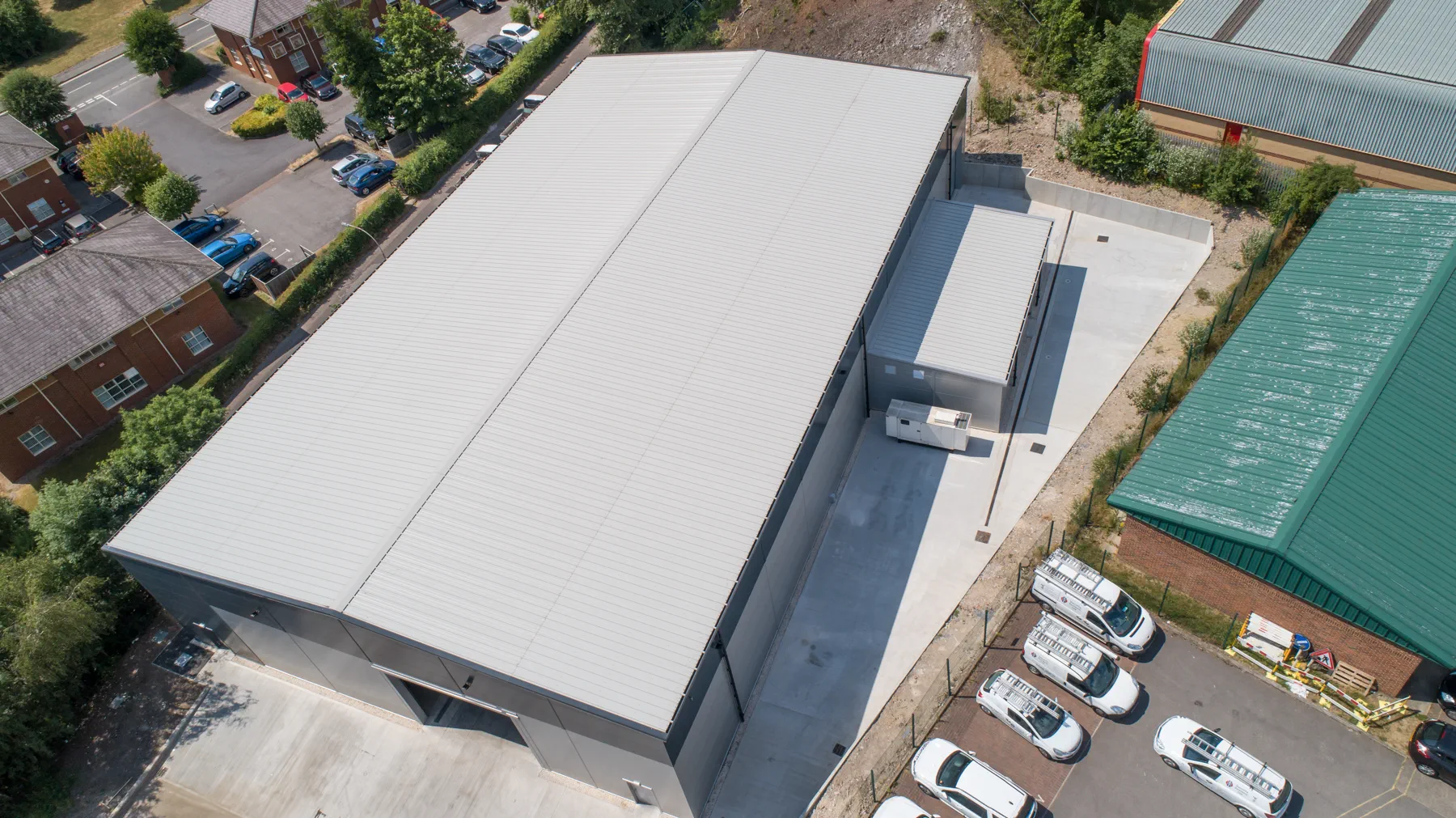
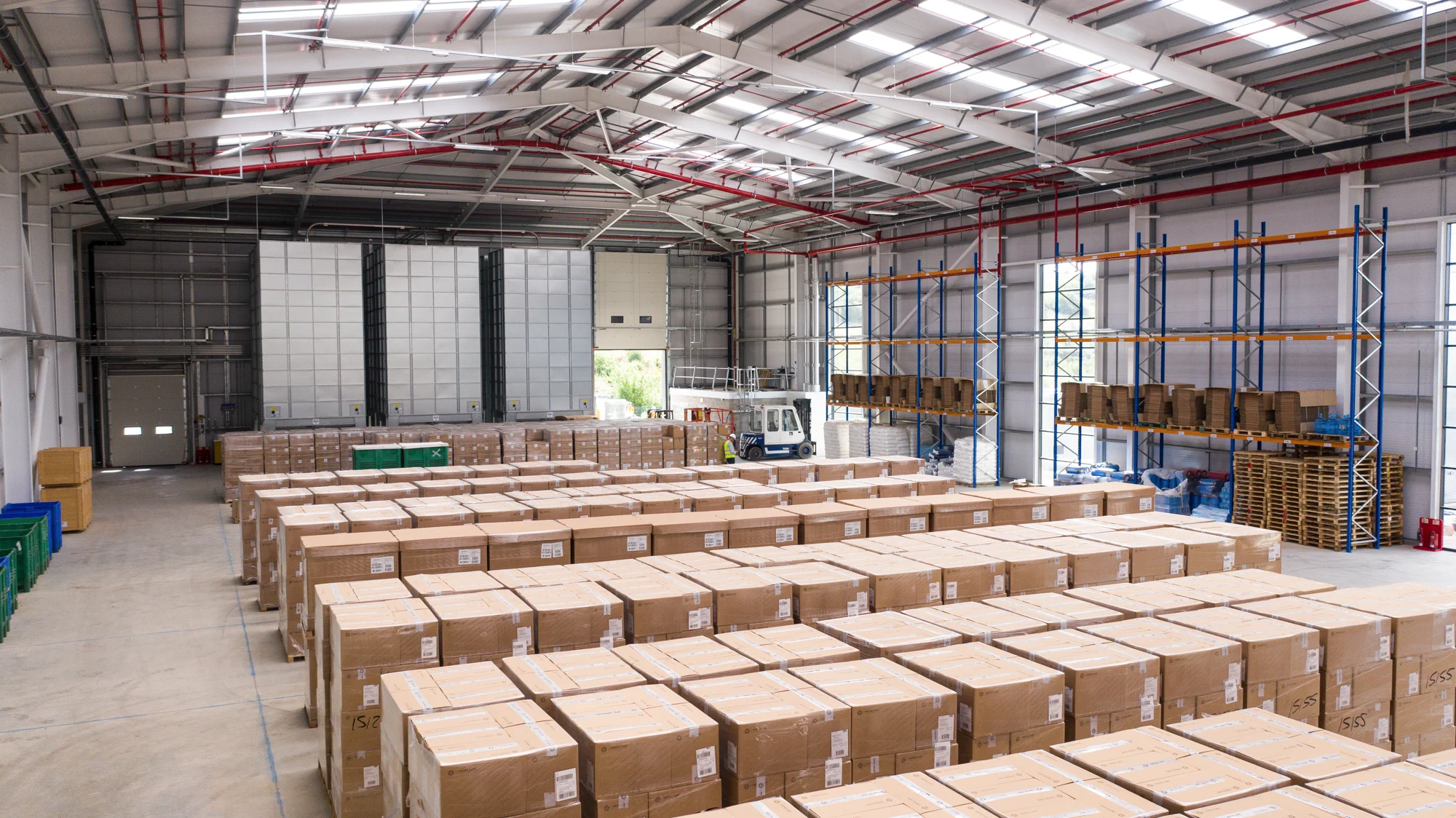
An alternative to extending an existing building is constructing a separate facility within the same industrial site, where sufficient land is available. Jarvale’s Cathelco warehouse project demonstrates this approach. A new industrial warehouse was constructed at the company’s existing operational premises, incorporating an overhead crane, office accommodation, welfare facilities and mechanical and electrical installations. The project illustrates how businesses can increase industrial capacity without necessarily extending or replacing their original building.
Where ground conditions, drainage or site infrastructure require assessment or improvement, early consideration of groundworks and associated infrastructure can help establish the feasibility of an industrial extension.
Ultimately, an extension may offer a suitable middle ground when an existing facility remains fit for purpose but no longer provides sufficient space for the business’s needs.
Planning, Building Regulations and Operational Disruption
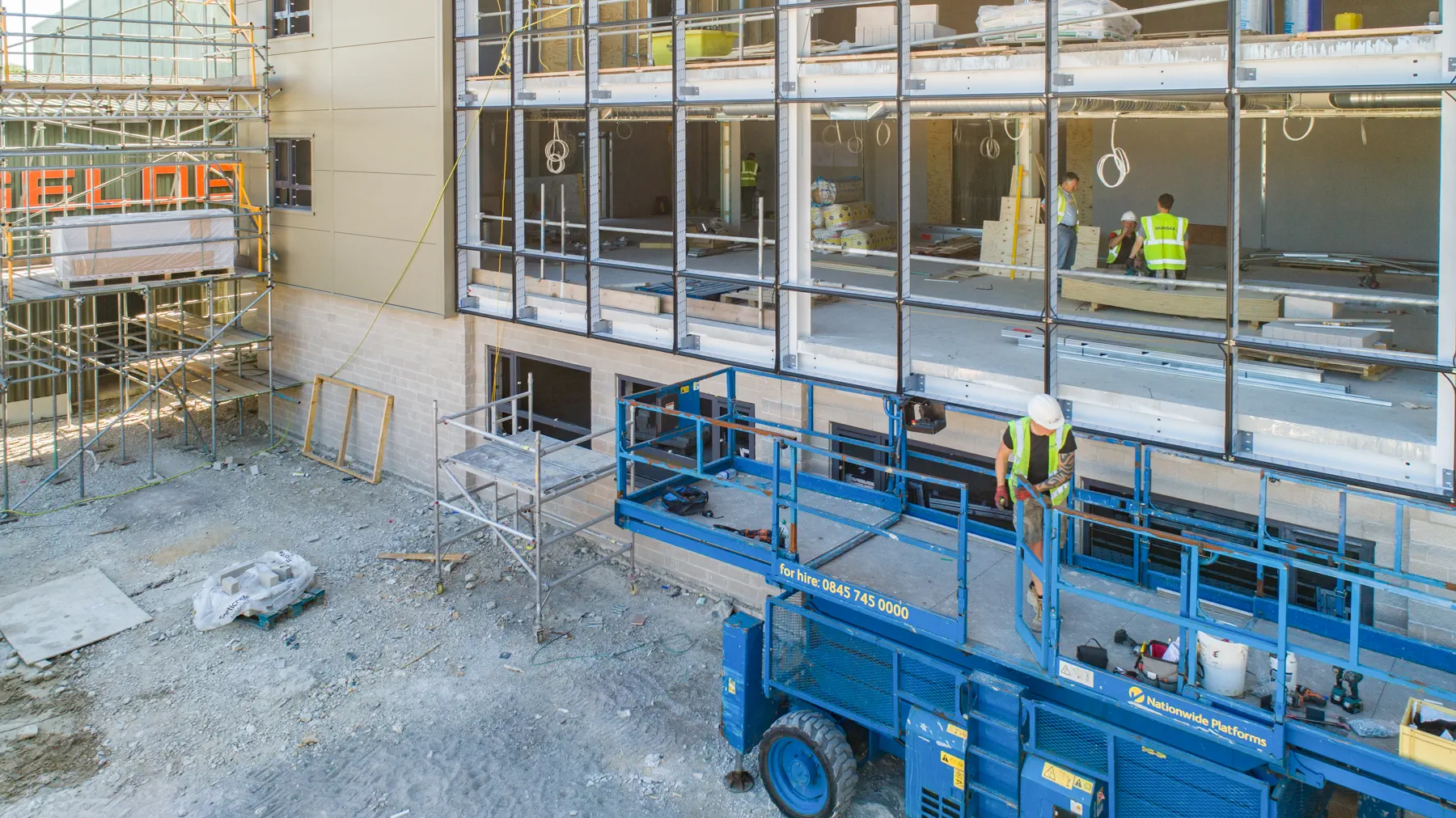
Whether a business chooses industrial building refurbishment, an extension or a new development, understanding the planning, regulatory and operational implications is essential. These considerations can influence project feasibility, construction timescales and the overall suitability of each approach.
Before committing to a project, businesses should consider three important areas:
Planning Permission and Site Constraints
New industrial developments will generally require planning permission, while refurbishment and extension projects may also need approval depending on the nature and extent of the proposed works. Certain alterations may fall within permitted development rights, subject to applicable conditions and restrictions.
Site access, neighbouring properties, environmental considerations and existing land use can also influence what is achievable. Early discussions with planning professionals and the relevant local planning authority can help identify potential constraints before detailed design work begins.
For a more detailed explanation, read our guide to planning applications and approvals in construction.
Building Regulations and Compliance
Industrial refurbishment, extensions and new construction must comply with the building regulations and statutory requirements applicable to the proposed works. Depending on the project, these may include structural safety, fire protection, accessibility, energy performance, ventilation and other relevant building standards.
Refurbishment projects can present additional challenges where existing building elements need to be assessed or upgraded. New construction provides greater opportunities to incorporate current regulatory requirements into the design from the outset, although the approval and compliance process may be more extensive.
Understanding these obligations early can help avoid unexpected design changes and delays during construction.
Maintaining Business Operations During Construction
For factories and industrial facilities that need to remain operational, construction disruption can be a significant consideration. Refurbishment and extension projects may involve working around manufacturing processes, deliveries, equipment and employees, requiring careful coordination and site management.
Depending on the project, phased construction programmes, segregated working areas and temporary adjustments to operational activities may help reduce disruption.
Alternatively, constructing a new industrial facility at a separate location may allow existing operations to continue until the new premises are ready, although relocation and commissioning will require their own planning.
Ultimately, effective project planning should consider not only how the building will be constructed, but also how the business will continue operating throughout the development.
Industrial Construction in Practice
Real Industrial Construction Projects Delivered by Jarvale
Real industrial construction projects demonstrate how different approaches can address specific business requirements. From purpose-built manufacturing facilities to additional buildings at established operational sites, Jarvale has experience delivering developments shaped by the needs of industrial clients.
The following projects illustrate two approaches to creating industrial space.
United Caps – Purpose-Built Manufacturing Facility
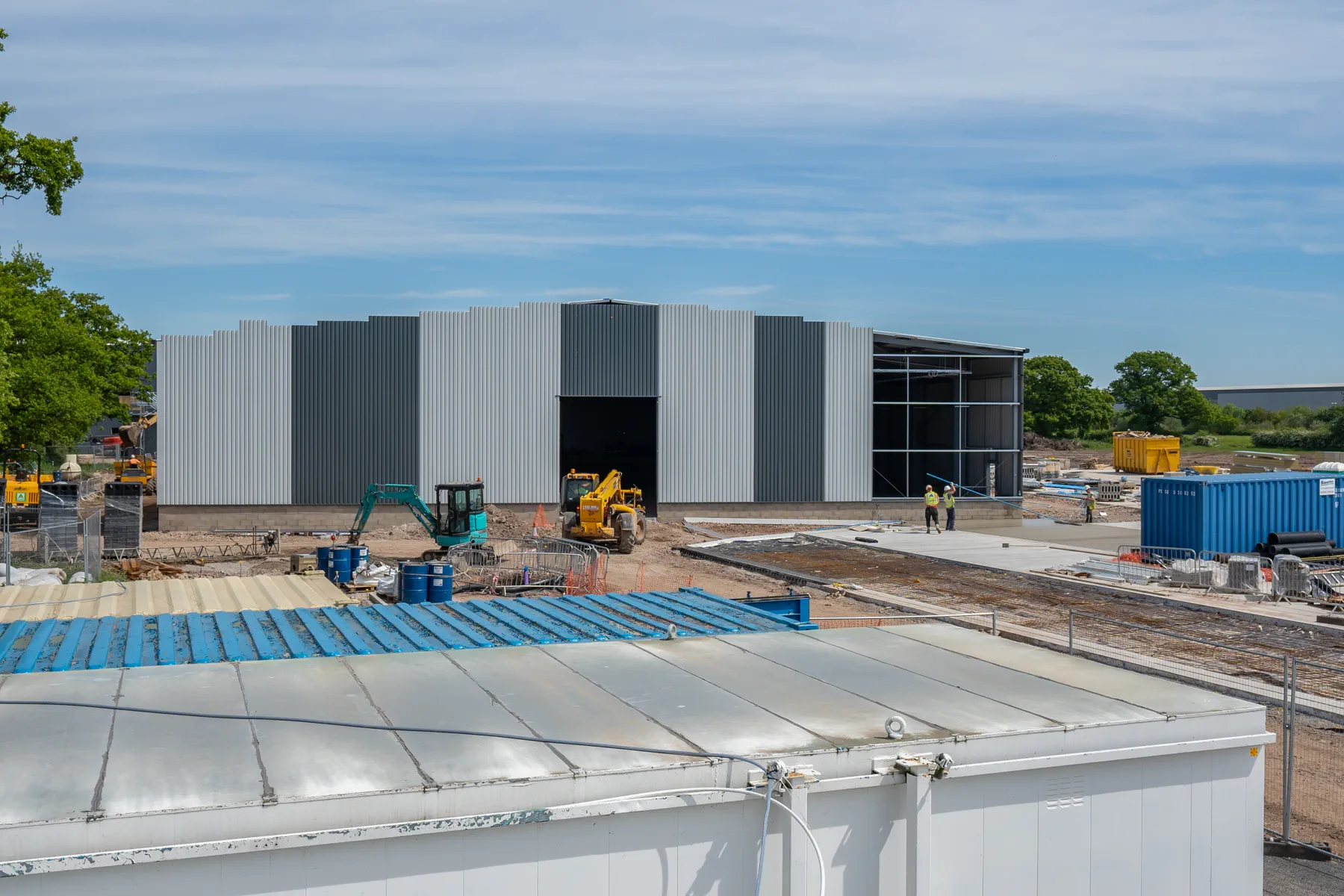
Jarvale delivered a 6,200m² design and build manufacturing facility for United Caps in Dinnington, Yorkshire, establishing the company’s first UK production base.
The purpose-built development provided manufacturing accommodation and supporting infrastructure for the company’s operations. The completed project received an LABC Building Excellence Award, demonstrating Jarvale’s experience in delivering substantial industrial facilities designed for specific manufacturing requirements.
For businesses whose existing premises cannot accommodate their operational needs, projects such as United Caps illustrate the opportunities offered by purpose-built industrial construction.
Cathelco – Expanding an Existing Industrial Site
For businesses that want to increase capacity while remaining at an established location, developing additional buildings within an existing industrial site can provide an alternative to relocation.
Jarvale’s Cathelco warehouse project involved constructing a new industrial warehouse at the company’s existing operational premises. The development incorporated an overhead crane, office accommodation, welfare facilities and mechanical and electrical installations.
The project demonstrates how additional industrial space and supporting facilities can be delivered at an established business location, without necessarily extending or replacing the original building.
How to Decide Between Industrial Building Refurbishment and New Construction
Choosing between industrial building refurbishment, extending an existing facility and constructing a new industrial building requires a clear understanding of your operational needs, available budget and long-term business objectives.
Before making a decision, consider these six questions:
- Is the existing building structurally suitable? Assess whether its foundations, structural frame and building fabric can accommodate the proposed improvements.
- Will the available space support future growth? Consider manufacturing capacity, equipment requirements, storage and potential expansion.
- Can business operations continue during construction? Establish whether phased works are practical or temporary operational arrangements will be needed.
- What are the long-term costs? Compare construction expenditure, ongoing maintenance, energy performance and potential future alterations.
- Are there planning or site constraints? Identify restrictions involving land availability, infrastructure, access and development approvals.
- Which option provides the greatest flexibility? Consider how well the proposed facility can adapt to future technology, production processes and business requirements.
There is no single solution for every industrial property. A building that remains structurally suitable may benefit from refurbishment, while significant space limitations or changing production requirements could make an extension or new development more appropriate.
Early feasibility assessments and realistic cost planning can help businesses compare their options before committing to a substantial investment. Through its design and build services, Jarvale supports the planning and delivery of construction projects tailored to operational requirements and long-term objectives.
Making the Right Decision for Your Industrial Building
Deciding between industrial building refurbishment and new construction is about more than improving a property’s appearance or increasing its floor space. The right investment should support your business operations, address existing building limitations and provide the flexibility needed for future growth.
Refurbishment can be an effective way to modernise suitable industrial premises, while a purpose-built development may offer greater opportunities to accommodate specialist equipment, improve operational efficiency and plan for long-term expansion. In some cases, extending an existing facility provides a practical alternative to both approaches.
Whatever the requirements, early planning and a clear understanding of the building’s condition, operational demands and long-term objectives are essential to making an informed decision.
With over 50 years of experience, Jarvale Construction specialises in delivering industrial construction projects across the UK, including purpose-built manufacturing facilities, new industrial buildings and developments at existing operational sites. Through its design and build expertise, Jarvale helps businesses plan and deliver facilities tailored to their operational requirements and long-term ambitions. If you’re considering a new industrial development or exploring the options for your existing premises, contact our team to discuss your project.
Frequently Asked Questions
Industrial Building Refurbishment FAQs
Discover More
Related Articles
Specialist Sector Expertise
Construction Solutions Across Multiple Industries
Our experience spans healthcare, education, commercial, industrial and retail environments, delivering projects safely, efficiently and with minimal disruption.
Contact Us
Start Your Project
Contact Us