If you’re thinking about starting a commercial construction project, you must understand what commercial construction is and what the process involves. Commercial construction is a challenging and complex industry that’s a vital part of the UK economy, but what is commercial construction?
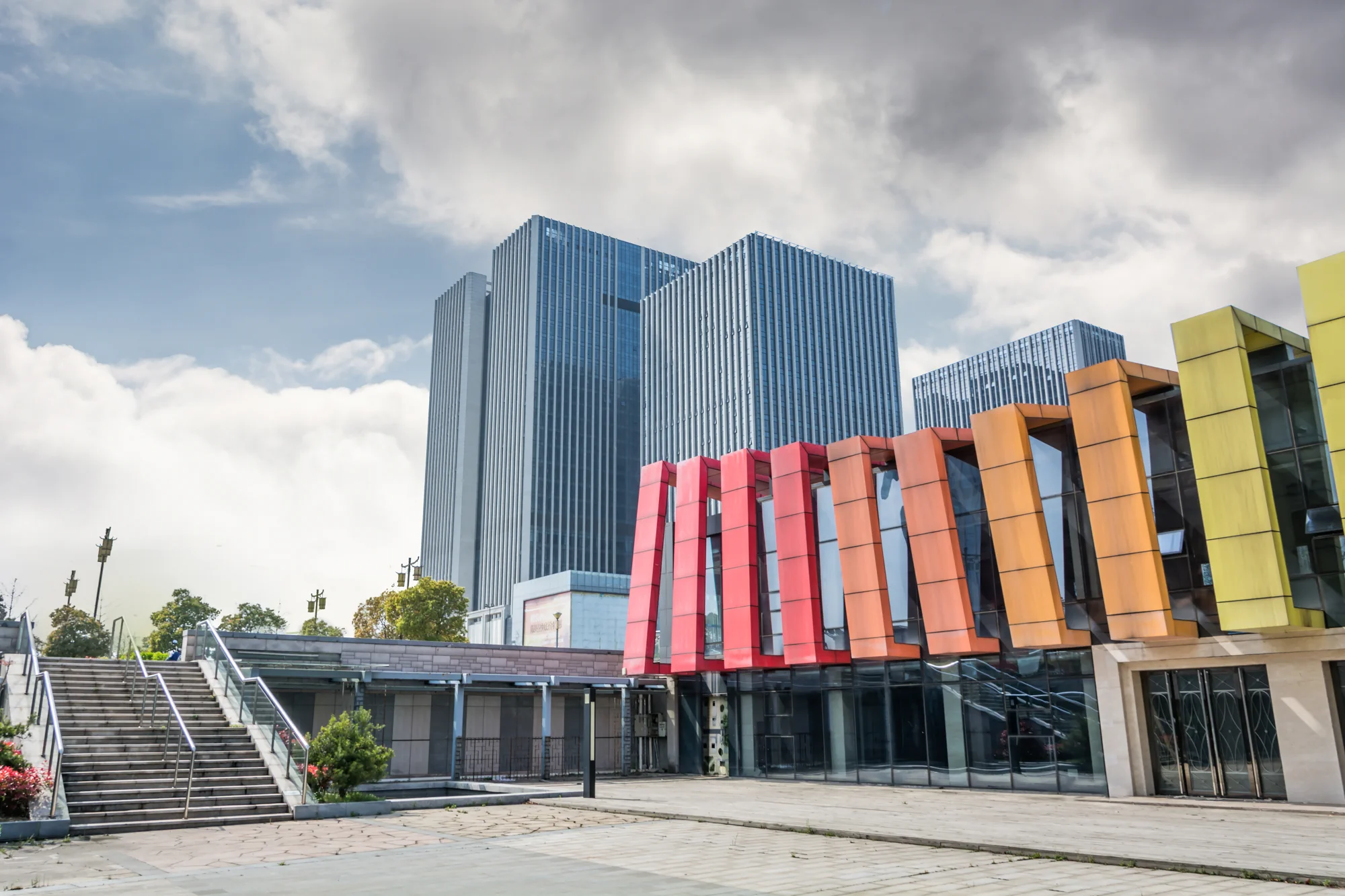
Commercial construction refers to the construction of buildings or structures used for commercial purposes, including warehouses, shopping centres, offices and healthcare facilities. It’s different from residential construction, which refers to buildings constructed for people to live in.
Read on for a more in-depth explanation of what commercial construction is, some examples, what is involved and how to choose the right commercial contractor for your project.
What Does Commercial Construction Mean?
Commercial construction involves the design, planning and construction of buildings and structures that are used for commercial purposes. These buildings are designed to be used by businesses and organisations, rather than individuals. It includes the construction of retail stores, office buildings and warehouses.
What Are Some Examples of Commercial Building Projects?
A commercial building project involves the construction or refurbishment of any building or structure intended for commercial use. Here are some examples of commercial building projects:
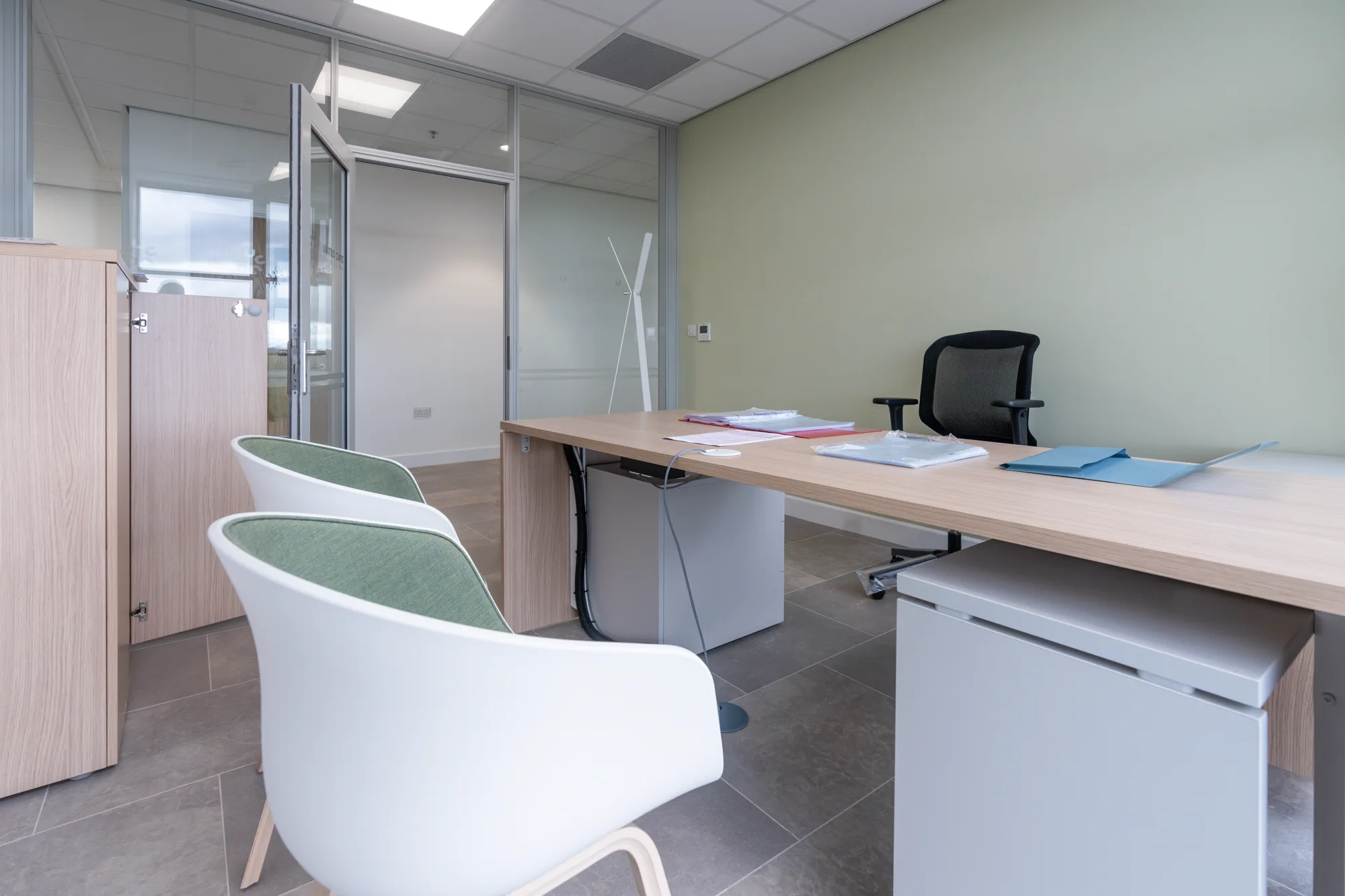
- Office buildings
- Shopping centres
- Retail stores and complexes
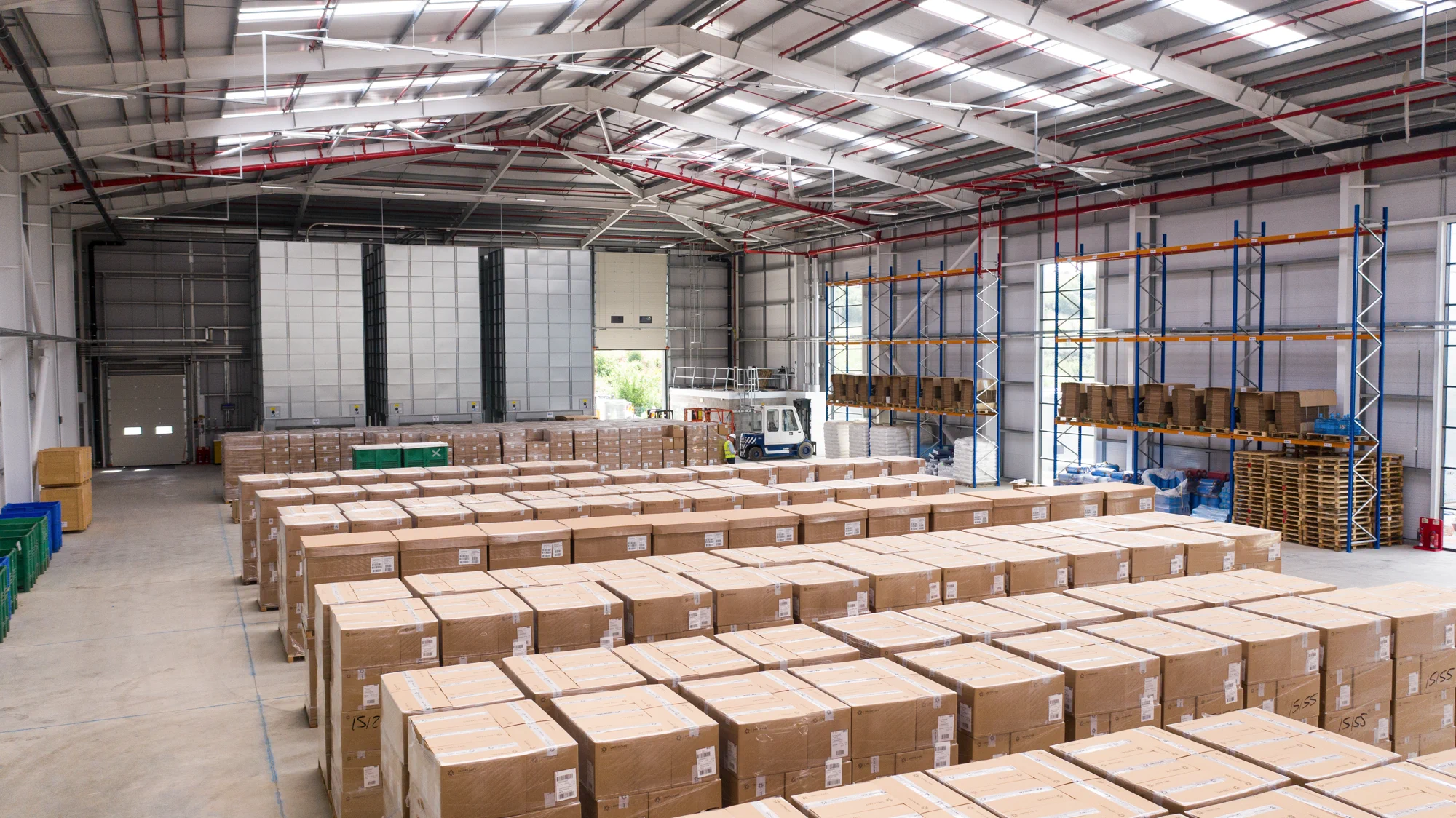
- Warehouses and factories
- Hotels
- Bars and restaurants
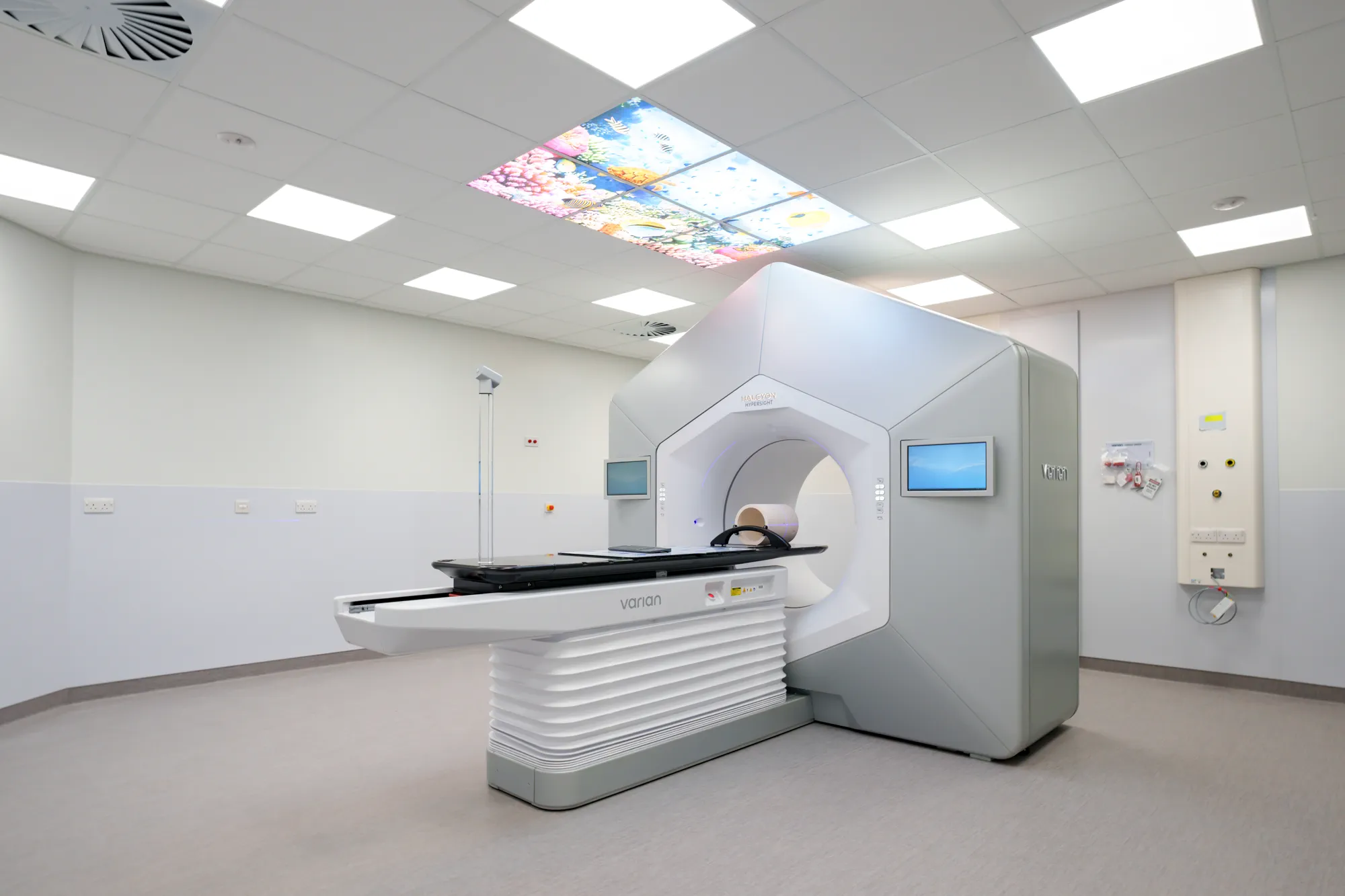
- Hospitals and healthcare facilities
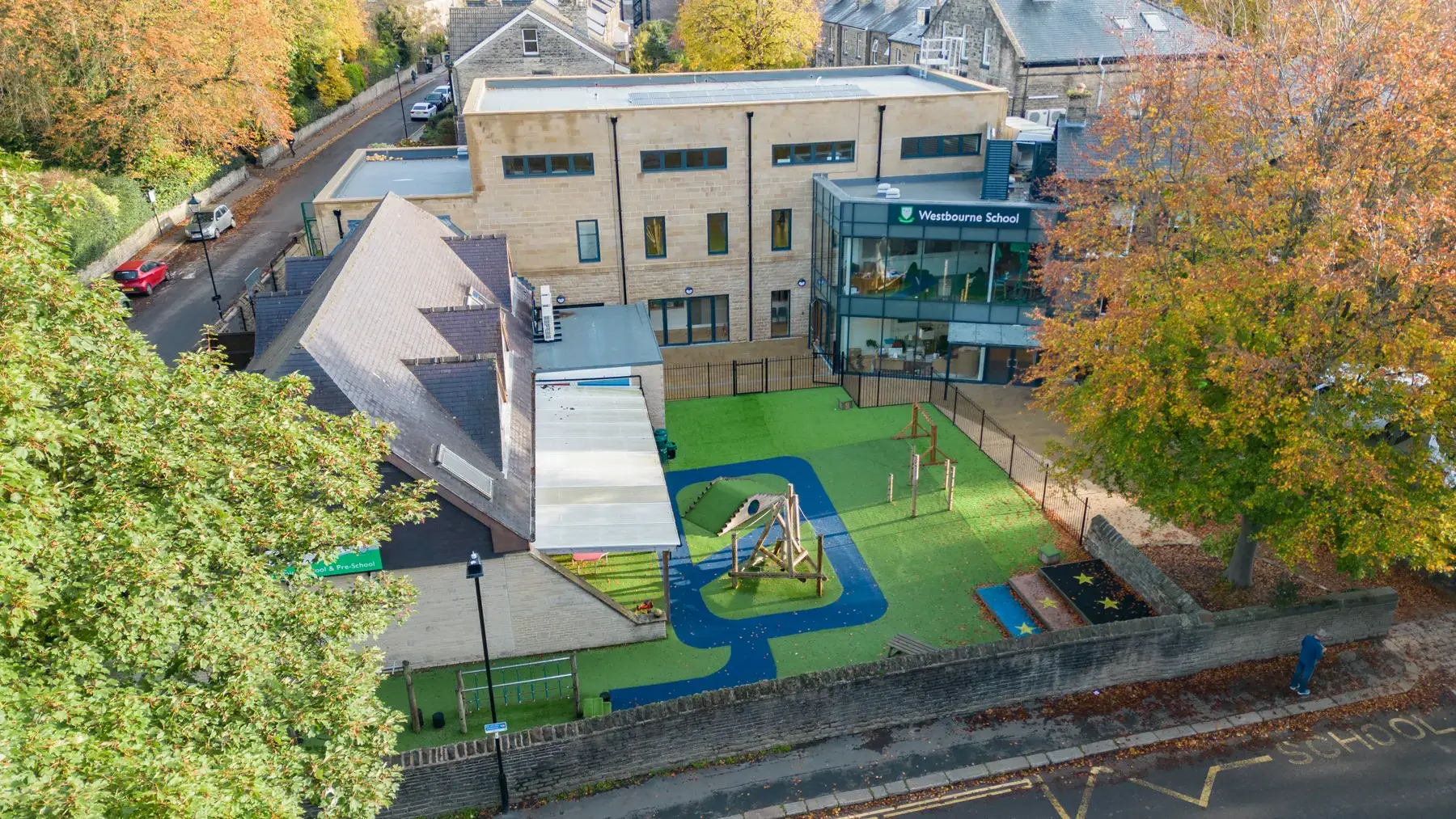
- Schools and universities
- Gyms, leisure centres and sports facilities
- Car parks
How Quickly Can a Commercial Construction Project Be Completed?
Commercial projects can take anywhere from a few months for simple construction projects, refurbishments or extensions to years for more challenging projects. The timeframe of a commercial construction project can vary based on its scope, size and budget, as well as the site conditions and planning permission required.
What Does a Commercial Building Contractor Do?
A commercial building contractor oversees the construction of a commercial building from start to finish. They are responsible for managing the construction site, building materials and equipment to ensure the project is completed within budget and on schedule.
Commercial building contractors also assist with the design and planning of the building, ensure the building is compliant with building regulations and monitor the construction budget and timeline. Jarvale Construction works collaboratively with clients, architects, designers and supply chain partners to ensure everything runs smoothly.
What’s the Commercial Construction Process?
The construction process of a commercial building can be highly complex due to the scale of the building. Here’s an overview of the different phases of the commercial construction process:
- Location sourcing. Land price, access to the site, planning requirements, soil conditions and convenience should all be considered at this stage of the development process.
- Budget setting. The next step involves creating an outline budget for the building based on the costs of similar buildings and structures. Financing should also be considered.
- The pre-design phase. This involves working with an architect or outlining the specifications of the commercial project.
- The design phase. This is where the full set of drawings is completed, and engineers will be consulted.
- The bidding phase. In traditional procurement construction projects (also known as Design-Bid-Build), commercial contractors will bid for the project after it has been designed. This is different from Design and Build or Turnkey Projects, where the same commercial construction company handles both the design and build aspects.
- The pre-construction phase. During this phase, a site visit is conducted, including an assessment of the soil conditions, to ensure that the site is suitable for the intended commercial project. Planning permission is also sought at this stage.
- The procurement phase. The construction contractor secures the materials, equipment, services and subcontractors necessary to complete the project.
- The construction phase. This involves the actual construction of the commercial building or structure, including:
- Preparing the site (groundworks)
- Removing vegetation (if necessary)
- Site establishment
- Excavating
- Laying utilities
- Laying foundations
- Framing
- Roofing
- Final finishes
- Commissioning
- Landscaping
- The post-construction phase. This final step involves ensuring the building is legally compliant with building regulations and safe for occupants. A building inspector will inspect the quality of the newly constructed commercial building and make a note of any issues that need to be addressed. Jarvale will also provide training in the use of the facility.
What’s the Commercial Construction Process?
If you’re planning a commercial project, you must choose an experienced commercial contractor to help you achieve your goals. Here are three of the most important factors you should consider.
Experience
When choosing a building contractor, your top consideration should be the amount of experience they have with commercial projects. The more experience they have, the greater the likelihood that your commercial project will be completed on time, under budget and to the highest quality.
At Jarvale, we have over 50 years of industry knowledge and experience to bring commercial projects to completion. All of our building projects are always completed as planned, both in terms of budget, deadlines and client expectations.
Previous Commercial Work
Look for contractors with a proven track record of successful commercial projects that are similar to yours. A contractor who has worked on similar projects will have a better understanding of the unique challenges your commercial building will face. At Jarvale, we have completed numerous commercial projects across the Midlands and the North of England, including production facilities, warehouses, hospitals and offices.
Accreditations and Qualifications
You should also check that the commercial construction company you choose is adequately qualified. Here are some common UK accreditations and qualifications that are a sign you’re working with a reputable company:
- Constructionline. A database of the best-prequalified contractors that are validated against strict criteria. The Gold membership is the industry standard.
- CSCS. This is the leading skills certification scheme within the UK construction industry. CSCS cards provide proof that individuals hold the appropriate skills and qualifications to work on construction sites.
- Building Safety Act 2022.
Commercial Building Construction Services by Jarvale
We’ve been delivering comprehensive commercial construction projects to the highest standards for over 50 years. From site and ground investigation, design, planning, project management and building construction, Jarvale can cover every aspect of your commercial construction project.
Based south of Sheffield in Dronfield, Derbyshire, we specialise in helping commercial clients across Yorkshire, Derbyshire and the Midlands. When you work with us, you can be sure that your commercial project will be completed on time and on budget. We are fully accredited commercial construction contractors with certifications including Constructionline. Our teams have undergone Building Safety Act 2022 awareness training, and all of our operatives hold CSCS cards.
Jarvale offers both design and build and turnkey commercial projects, depending on your preferred approach to project management. View our full range of services to see how we can work together or check our completed projects to see how we’ve helped commercial clients in the past.
If you have any questions about our commercial construction process, please fill out our contact form below, and we’ll be in touch at your earliest convenience.
Frequently Asked Questions
Commercial Construction FAQs
Discover More
Related Articles
Specialist Sector Expertise
Construction Solutions Across Multiple Industries
Our experience spans healthcare, education, commercial, industrial and retail environments, delivering projects safely, efficiently and with minimal disruption.
Contact Us
Start Your Project
Contact Us