If you’re planning a construction project, it’s essential to understand the process of cost planning and why it’s such an important tool for ensuring your project is completed within budget. So, what is a cost plan in the construction industry?
A cost plan provides a detailed overview of the estimated costs associated with each component of a construction project, often broken down by project stages or categories. As the project progresses, the cost plan is updated with the actual expenditure of each component, which can be compared to the estimated cost to identify and rectify cost overruns.
Keep reading for more detailed information about cost planning for construction projects, including what’s included, the benefits and a step-by-step guide to creating an effective cost plan.
What Is Cost Planning in the Construction Industry?
In the construction industry, cost planning refers to the process of creating detailed cost estimates for each component of a building project. This provides a comprehensive picture of the expected cost of the entire project and is a useful tool for all parties involved in the project, including contractors, subcontractors, clients, architects, surveyors and engineers.
As the project progresses, the actual costs of each project element can be tracked and compared to the estimated costs, allowing for informed decision-making about resource allocation and the need for cost-saving measures.
What Are the Different Types of Cost Plans for Construction Projects?
There is a range of different types of cost plans that can be useful in construction projects. This includes:
- Preliminary cost estimate. This is developed during the early stages of a construction project, typically during the feasibility and design stages. It aims to provide a high-level estimation of a project to guide the planning process and secure necessary funding and approvals.
- Elemental cost plan. This provides a detailed breakdown of the costs for each project element, such as foundations, finishes and structures. It allows for tracking of expenditures for each element, helping project managers to identify areas of potential cost overruns and where cost control measures will need to be implemented.
- Detailed cost plan. This acts as a comprehensive breakdown of all costs associated with a project. It allows for accurate budgeting and tracking by providing specific cost estimates for each element of the project.
What Is Included in Construction Cost Planning?
A cost plan for a construction project should include estimated costs for all project elements, including materials, labour, equipment, site preparation, permits and contingencies for unforeseen issues. These costs can be broken down into direct and indirect costs:
- Direct costs include building materials, labour and equipment. These should be estimated by considering unit costs and quantities, and the actual expenditures compared with the estimated costs.
- Indirect costs include all expenses not directly related to construction work but are still necessary for the project to be completed. This includes administrative salaries, insurance premiums and overhead costs (rent and utilities). Estimating these indirect costs is essential for accurate cost planning.
What Are the Benefits of a Cost Plan for Construction Projects?
A comprehensive cost plan should be an integral part of any construction project. Here are the main benefits of cost planning for the construction industry:
- Accurate budget estimation. A detailed cost estimate helps to provide an overview of expected project costs, which can be vital in securing funding and obtaining approvals.
- Better cost control and expenditure monitoring. By facilitating regular tracking and monitoring of expenditures against the budget, a cost plan can help a project stay within budget.
- Assessment of project feasibility. An initial cost plan is a useful tool to assess the financial viability of a building project based on estimated costs and necessary profit margins.
- Informed decision-making. An accurate cost plan helps project managers make informed decisions about designs and materials to ensure a project is completed within budget constraints.
- Better identification of potential cost savings. Effective cost planning helps project managers identify cost-saving opportunities early on in the project, helping to reduce costs while minimising impact on the build quality.
- Allows for better communication with stakeholders. By providing an accurate and detailed breakdown of expected project costs and actual expenditures, a cost plan ensures key stakeholders are kept informed about costs and any budget overruns.
- Effective resource allocation. Cost planning helps optimise resource allocation, ensuring funds are used as efficiently as possible.
How to Create a Detailed Cost Plan for a Construction Project
Creating an accurate cost plan for a construction project should involve the following steps.
1. Understand The Project Scope and Define Categories
The first step in creating a detailed cost plan is to define the project scope and identify all the steps required to complete the project. These steps will become the different categories on your cost plan and might include stages such as planning, site preparation, foundations and rough framing. You might choose to group indirect costs in a separate category from your direct costs.
2. Estimate Direct and Indirect Costs
The next step is to identify all the costs associated with each component of the project. This should include both direct costs, such as materials, and indirect costs, such as insurance premiums.
3. Define Contingencies and Allowances
Contingencies and allowances should also be factored into your cost plan. You should determine the percentage of the total project cost that will be allocated to contingencies and allowances, which will likely vary depending on the complexity of the project.
4. Update the Cost Plan with Actual Expenditure
As the project progresses, the cost plan should be updated with the actual expenditures for each component. This helps ensure that the project remains on track and within budget.
5. Identify Cost Overruns and Implement Cost Saving Measures
The actual expenditure should be compared to the estimated costs to identify any cost overruns, and if corrective action is required. Cost-saving measures might need to be implemented to ensure that the entire project does not go over budget. Any overruns and actions taken should be clearly communicated to stakeholders to ensure everyone is aware of the situation.
High-Quality Commercial and Industrial Building Projects by Jarvale
At Jarvale, we’ve been delivering high-quality construction projects on time and within budget for over 50 years. All our commercial and industrial projects include comprehensive cost plans to ensure they do not go over budget and that the clients’ expectations are met.
Based south of Sheffield in Dronfield, Derbyshire, we have helped clients across Yorkshire, Derbyshire and the Midlands. Working with us means you can be sure your project will be completed within the pre-defined schedule and budget, thanks to our years of experience with creating detailed cost plans. Our experienced team holds certifications from Constructionline, has undergone Building Safety Act 2022 awareness training, and all of our operatives hold CSCS cards.
Jarvale offers both Design and Build and Turnkey construction projects, depending on whether you would like to handle the project management yourself or allow our experienced team to manage the project on your behalf. View our full range of services to see how we can work together or check our completed projects to see how we’ve helped clients in the past.
If you have any questions about our cost planning process, please fill out our contact form below, and we’ll be in touch at your earliest convenience.
Discover More
Related Articles
Specialist Sector Expertise
Construction Solutions Across Multiple Industries
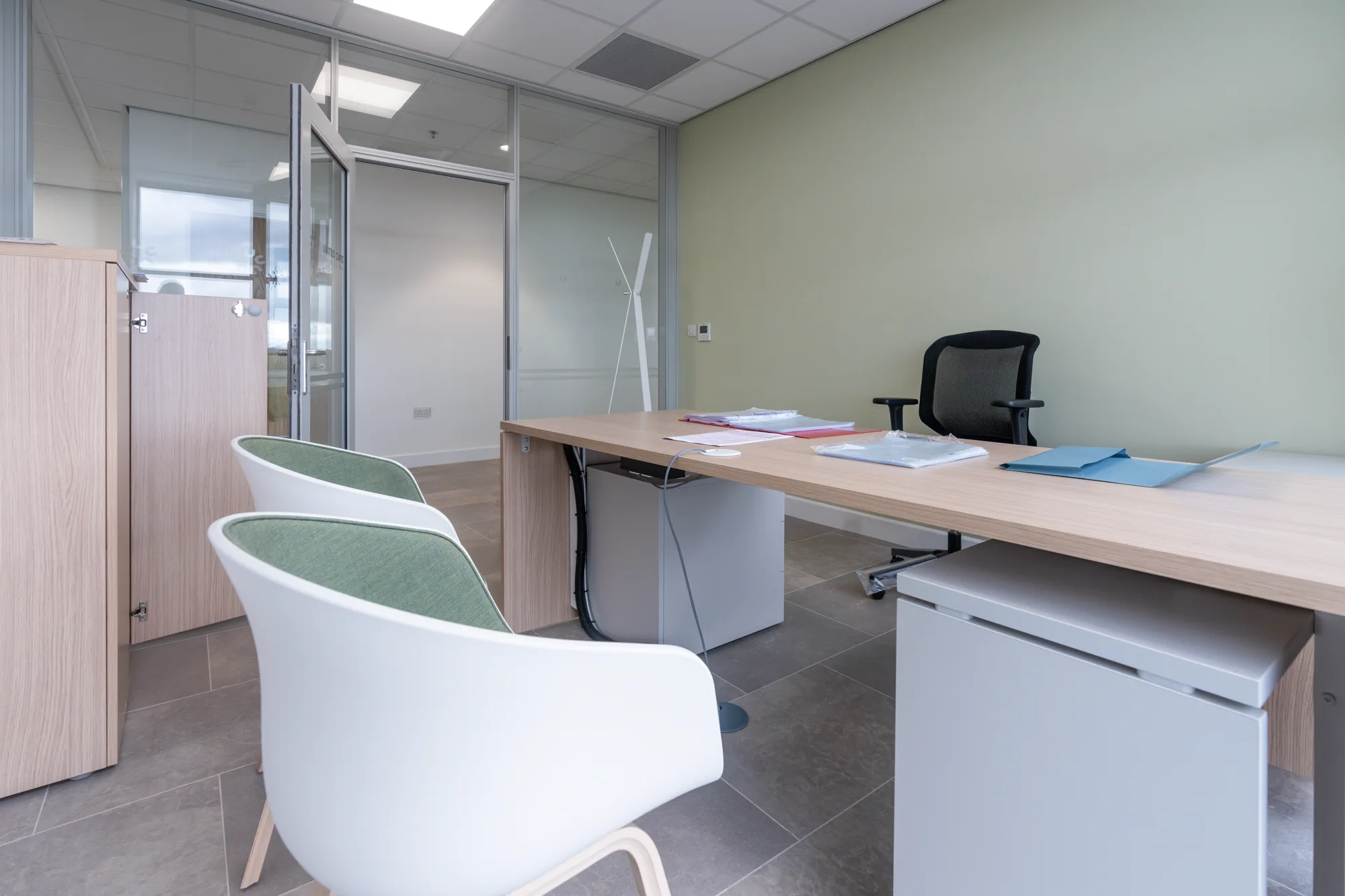
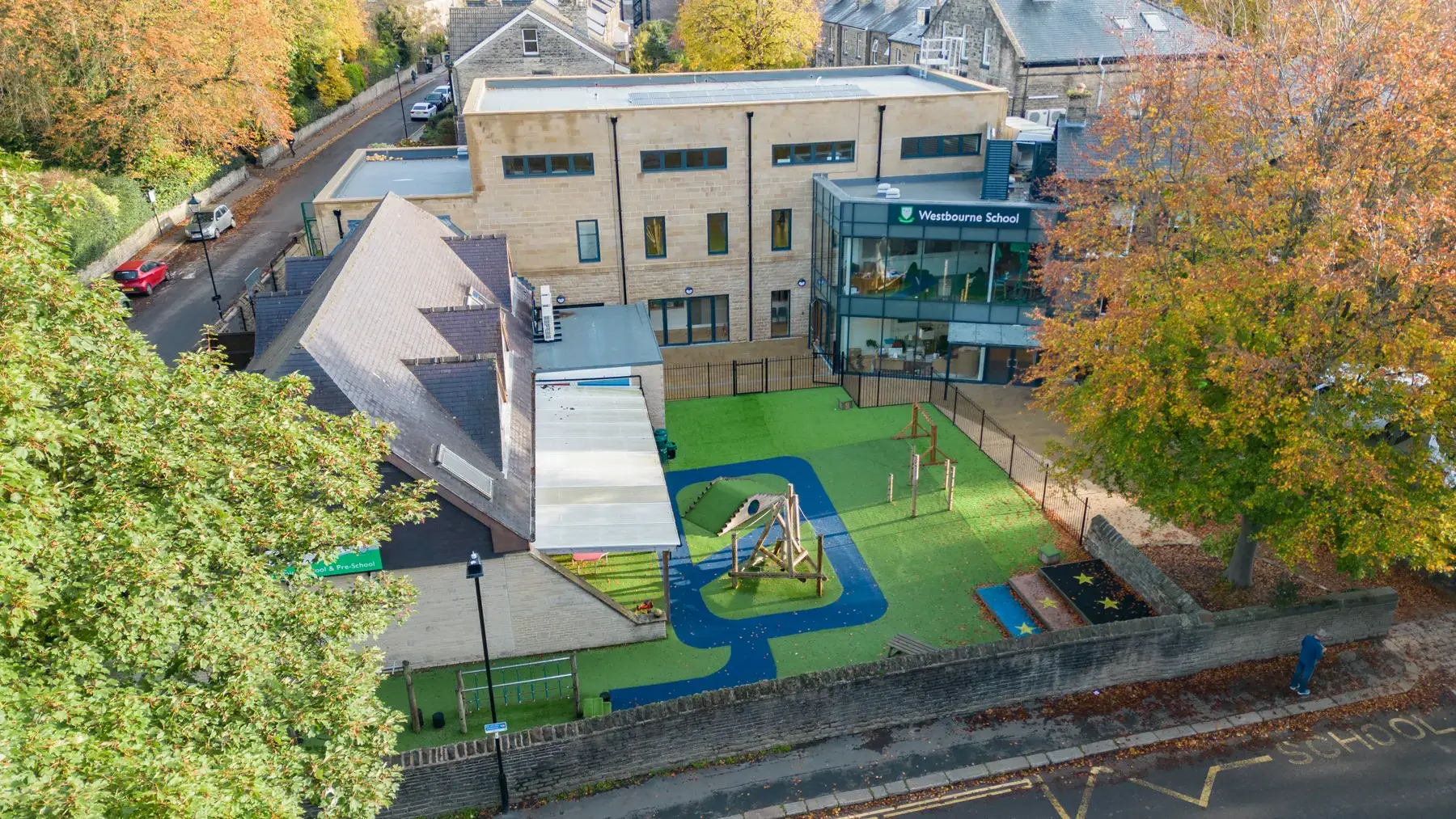
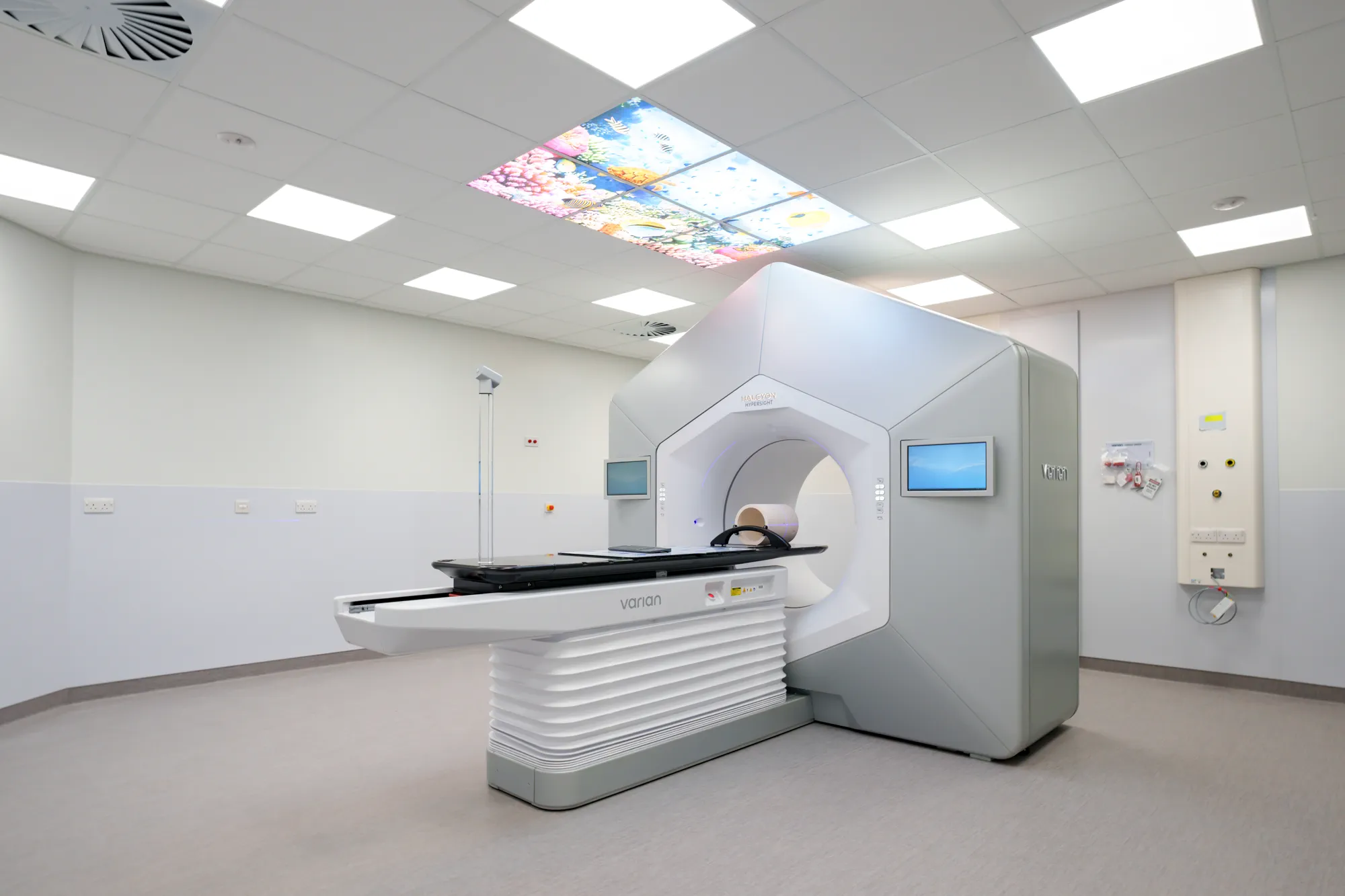
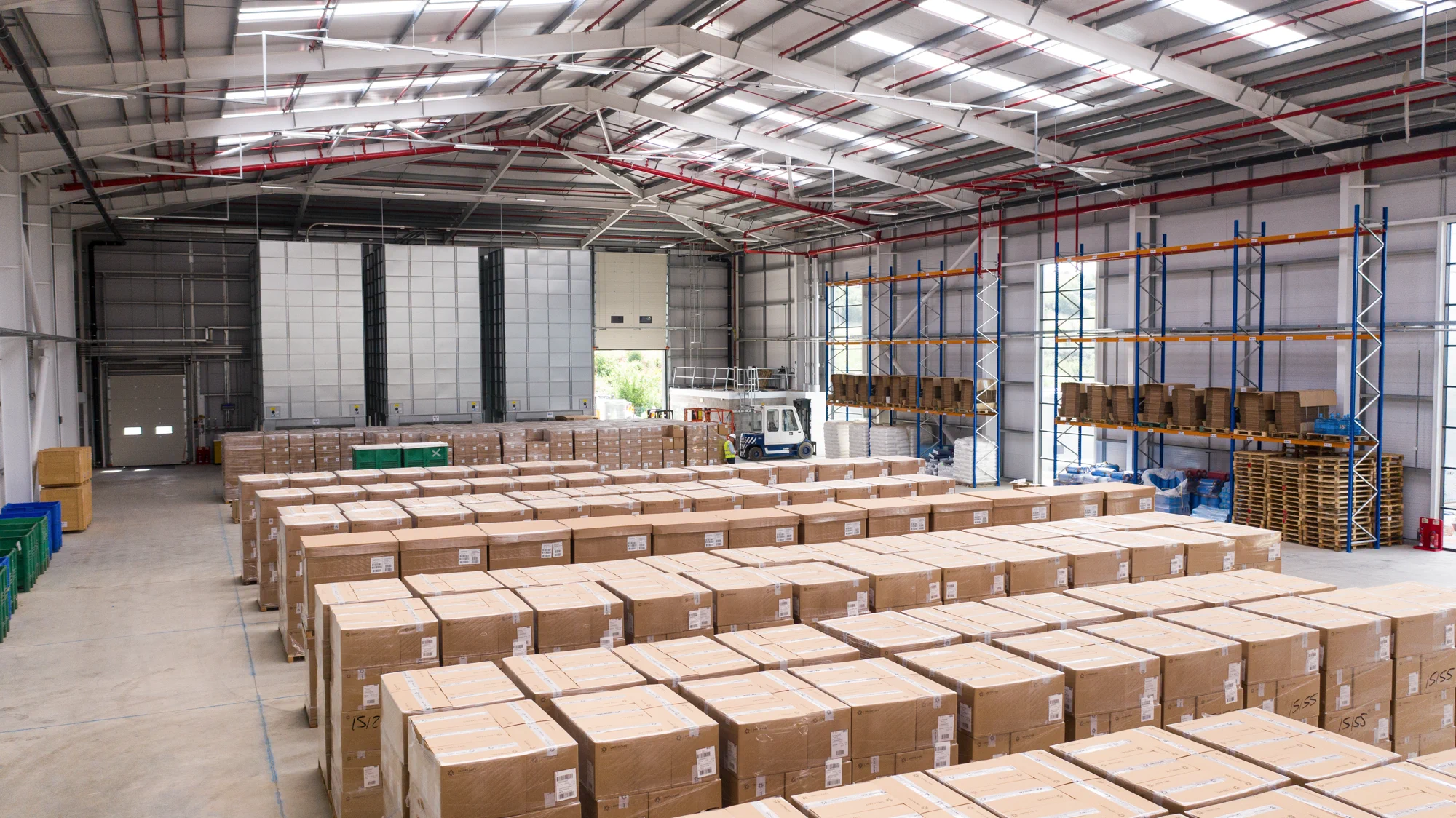
Our experience spans healthcare, education, commercial, industrial and retail environments, delivering projects safely, efficiently and with minimal disruption.
Contact Us
Start Your Project
Contact Us