In 2015, the Construction and Management (CDM) and Building Regulations changed regarding who can take on the role of principal designer in any construction project.
To be a principal designer and the principal contractor, the chosen person must show expert knowledge and expertise for both roles. However, this involves more than simply showing you are capable of performing both jobs.
This article will discuss how a contractor can be the principal designer on a design and build project, what a principal designer is, and what would be expected from the role.
What Is A Principal Designer In Construction?
A principal designer is an individual or an organisation that has been chosen by the client to lead and manage the health and safety aspect of a project in the pre-construction phase. This pre-construction phase is also referred to as the design phase, hence the title principal designer. This role is not just a job title, but a legal, required position under the CDM Regulations 2015.
Typically, they will coordinate the design team and focus on eliminating hazards while ensuring the project meets all regulations. Should any risks be identified, these will be swiftly handled and communicated to the principal contractor.
A principal designer’s key responsibilities are to:
- Plan and manage health and safety during the design phase, and continue to monitor this.
- Coordinate with relevant people, such as other designers, the principal contractor, and duty holders, about important information.
- Manage risks by identifying and controlling risks to health and safety, and even eliminating them where possible.
- Ensure compliance with regulatory requirements, in particular, the Building Safety Act.
Who Can Be A Principal Designer?
The principal designer can be an individual or an organisation that has skills in architecture, engineering, or surveying. They need to be highly qualified in one or more of these areas and show the relevant skills, knowledge, and experience to prove they can successfully take control over the entire design phase of a project.
The decisions they make will have a significant impact on the safety during construction, and their role is vital for higher-risk buildings under the newer legislation, meaning they will have more accountability.
Although there can be multiple designers, there should only ever be one appointed principal designer per project at any given time. Typically, this position is filled by the lead or sole architect on the project.
When Can A Contractor Be The Principal Designer On A Design And Build Project?
Although typically, larger projects call for an architect to be the principal designer, there are times when a project may not have or need an architect. One of these occurrences is during a design and build contract.
A design and build contract is where all aspects of the project are handed over to one company. This includes the design and construction work. In this instance, the company you have appointed to complete the design and build contract can perform both designer and contractor duties and still comply with CDM. In fact, typically this is the role of a design and build contractor.
There are, however, some important factors to take into consideration when choosing someone to perform both the principal designer and principal contractor tasks. The main thing to ensure is that the appointed contractor has the skills, experience, knowledge, and capabilities to undertake the role of principal designer, so that they are fully compliant with regulations. You also need to ensure that the appointed person is aware of and can handle having overall control of not only the pre-construction phase of the project, but the construction phase too.
Jarvale have over 50 years of experience offering design and build contractor services, where we will take care of every part of the project, including the design phase, but leave you in charge of managing the project budget and timeline.
The Differences Between A Principal Contractor And A Principal Designer
In construction projects that are not using a design and build contract, the principal designer and principal contractor are two separate roles with different duties.
Principal Designer
A principal designer’s focus is on health and safety during the pre-construction (design) phase of the project. They will:
- Plan, manage, and monitor health and safety before the construction phase begins.
Gather pre-construction information for the client. - Work closely alongside other designers to reduce the likelihood of risks.
- Liaise with the principal contractor so communication is clear, and the project runs smoothly.
- Provide the required health and safety file.
Principal Contractor
A principal contractor’s focus is on health and safety during the construction phase of the project. They will:
- Plan, manage, and monitor health and safety during the construction phase.
- Ensure the safety of all workers and the public.
- Coordinate with the necessary people regarding the construction work.
- Liaise with the principal designer so they two are on the same page, and the project runs smoothly.
The Key Differences
- Role: A principal designer is responsible for managing the design risks, whereas a principal contractor is responsible for managing the site risks.
- Coordination: A principal designer coordinates the designers, and a principal contractor coordinates the contractors.
- Handover: The principal designer hands over crucial health and safety information to the principal contractor so the construction phase can begin.
Although the two roles are mildly similar (both have a strong focus on H&S, need to communicate often with others, and manage teams underneath them), their roles take place at different phases during the project. Both roles are just as vital as one another, but apply at different times.
Design And Build Contracts With Jarvale
Jarvale are a construction specialist with experience in design and build contracts, as well as a Turnkey solution. We have delivered complex construction projects for both the public and private sectors, and provide solutions for commercial, educational, industrial, and healthcare clients.
Our team are experts at handling every aspect of the construction phase, from the pre-planning and design phase, right down to aftercare. We keep our channels of communication open, so you know exactly how the project is developing, and you’re always kept in the loop. Plus, we have numerous accreditations, such as Constructionline, and all our operatives hold CSCS cards.
Contact us today to find out how we can help your business with a construction project.
Discover More
Related Articles
Specialist Sector Expertise
Construction Solutions Across Multiple Industries
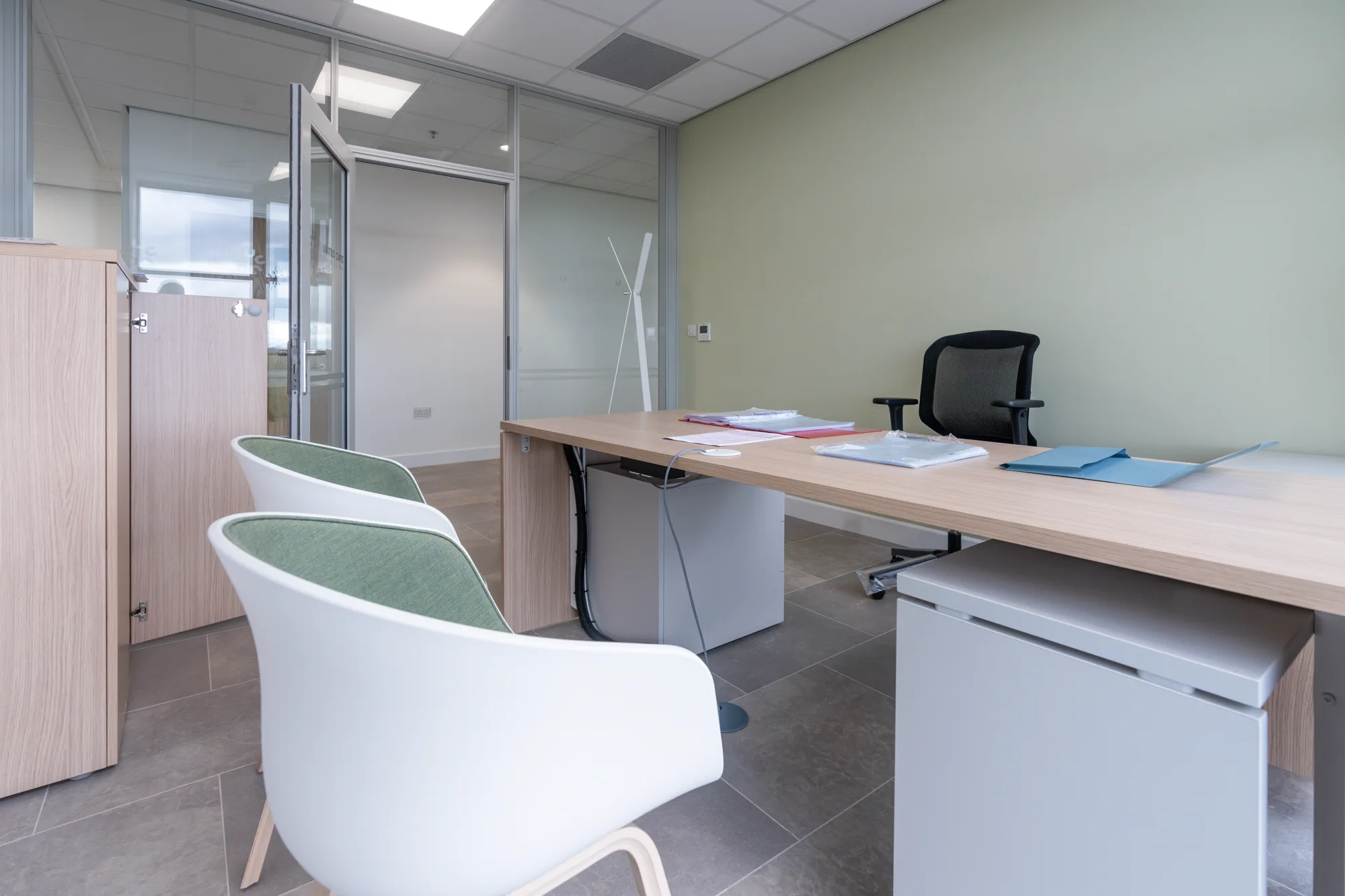
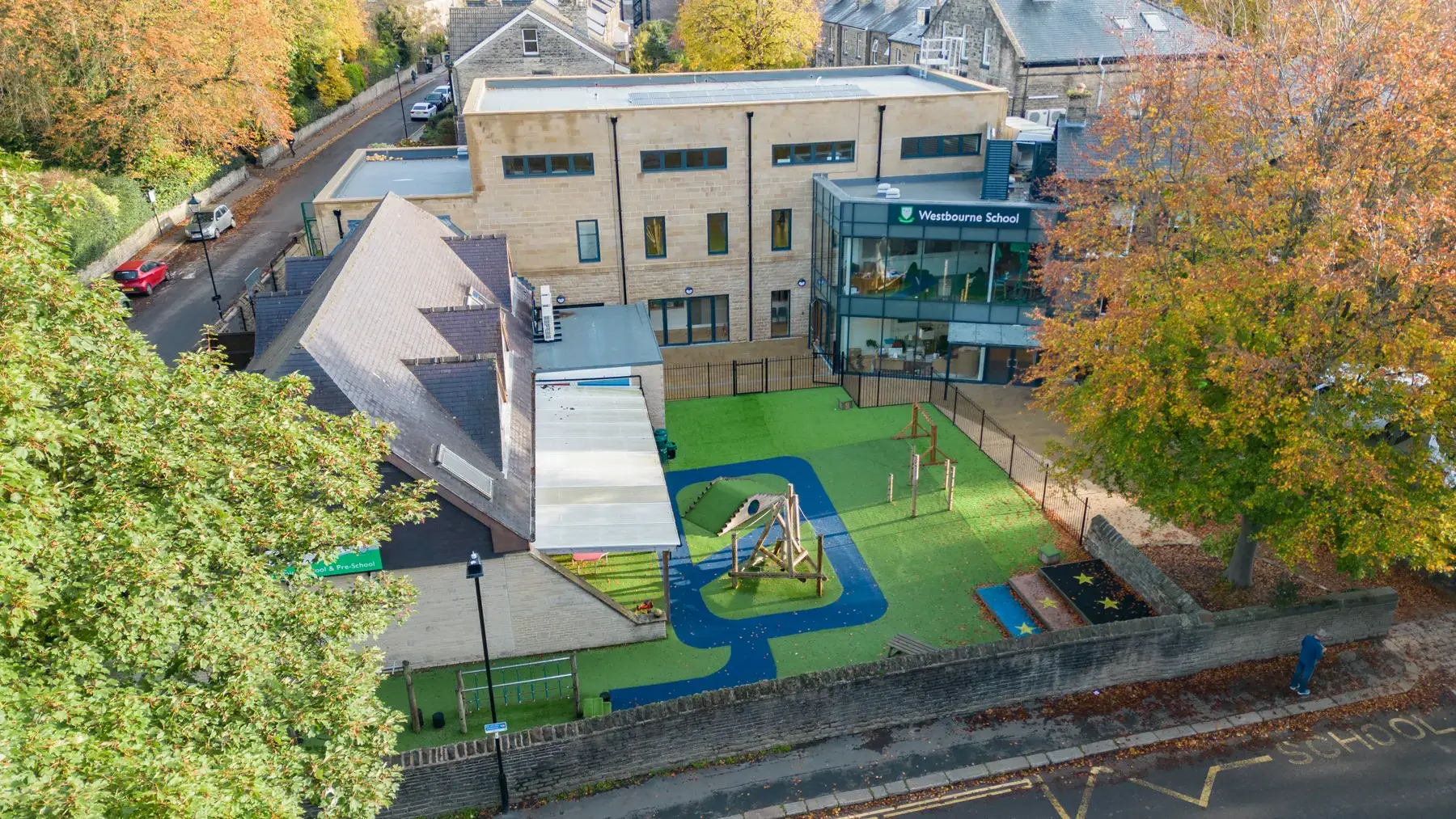
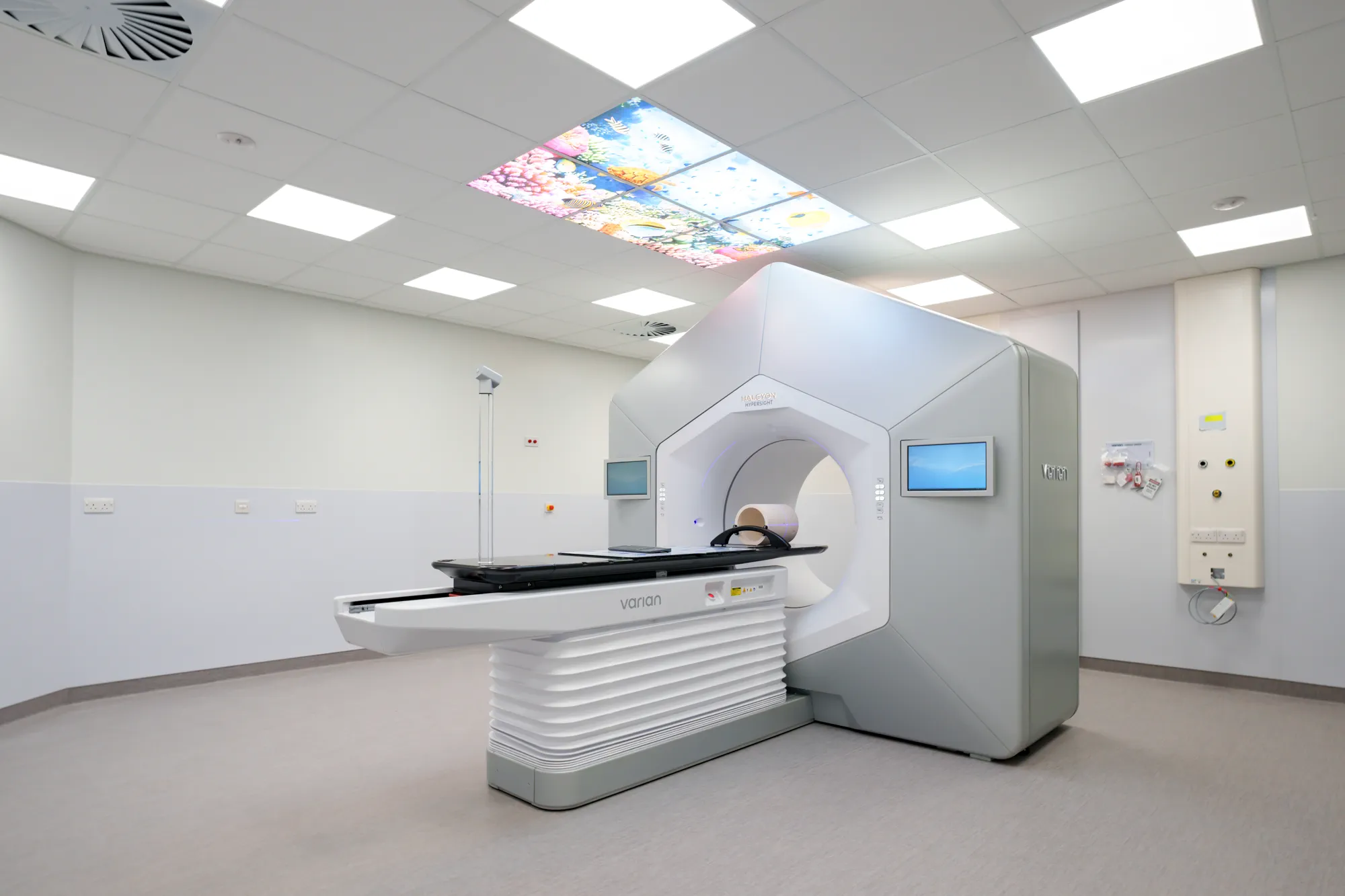
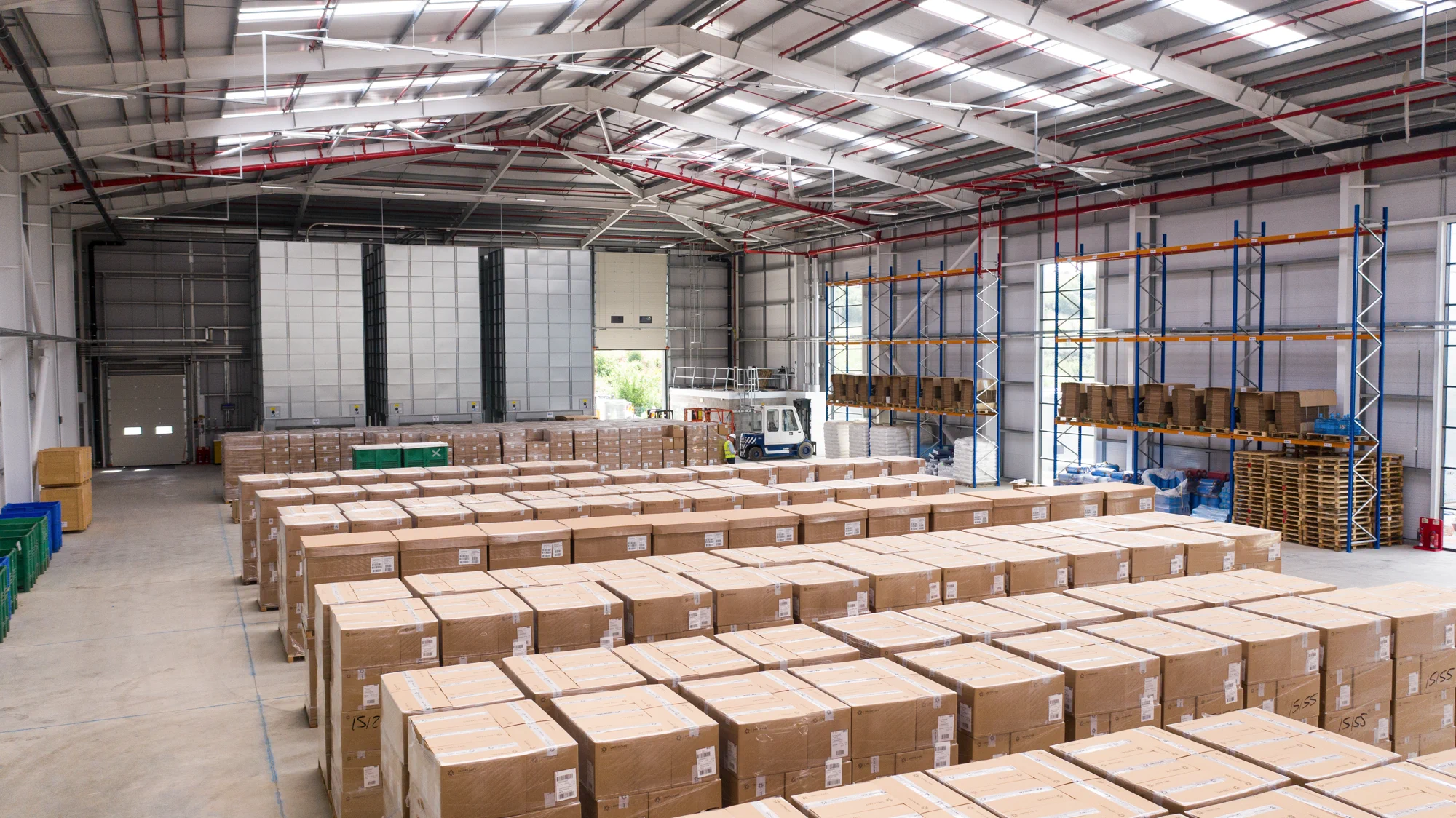
Our experience spans healthcare, education, commercial, industrial and retail environments, delivering projects safely, efficiently and with minimal disruption.
Contact Us
Start Your Project
Contact Us