Construction work carries a higher level of risk than many other professions. Workers often face a range of hazards, including operating heavy machinery, working at height and handling potentially dangerous tools and materials.
The International Labour Organisation (ILO) estimated that at least 6,000 fatal incidents occur on construction sites around the world. Poor, substandard health and safety precautions can result in accidents and injuries that could have easily been avoided.
Keep reading to find out the importance of health and safety on construction sites.
Why Are Safety Factors Important In Construction?
Safety factors are imperative in construction to safeguard the lives of workers and ensure regulatory compliance. Not only will this keep your workers safe, but it will keep the project on track and the business compliant.
A tried and tested safety plan is vital to the success of keeping all workers safe while on the construction site. When safety protocols have been put in place, typically, fewer accidents occur, maintaining productivity and keeping costly mistakes to a minimum.
Safeguard Lives By Protecting Structures
When it comes to safeguarding the lives of construction workers, it’s not just the tasks they perform and the tools they use that could cause harm. The structures themselves, if not built properly and not adhering to regulations, can be a hazard, too.
Safety factors provide a buffer for unexpected issues and uncertainties to ensure that the project remains safe, even when things go unplanned. Things such as unexpected weather conditions or accidental overloading of the structure are factors to take into account when putting in place a safety plan.
Ensure Project Success
Although the main priority is and always will be to keep the lives of contractors safe, a solid safety plan can also influence other aspects of the project, such as its success and cost.
Accidents and/or issues with the structure that have not been properly scoped out in a safety plan can cause timely and costly delays, as well as, on some occasions, complete work stoppages. By minimising these risks and prioritising health and safety, you can avoid expensive repairs, fines, and legal liabilities that may also arise from accidents or structural issues. It will also ensure that you adhere to industry standards and regulatory requirements.
Enhance Productivity
It may sound simple, but workers who feel safe on the job are more likely to feel happy on the job as well. If it’s obvious that the construction project values the lives of the workforce and prioritises safeguarding, morale is going to see an increase, which can lead to higher productivity and lower turnaround times. Workers will feel less distracted as well. Knowing that their safety has been taken into consideration, they can focus solely on their tasks without feeling worried about potential hazards.
All these make for a stronger, happier, and safer workforce that can deliver excellent results on construction projects.
How Do You Ensure Health And Safety On A Construction Site?
Health and safety on a construction site are vital, and there are several ways to ensure they are implemented in a project.
Training And Communication
One of the most important things to do is to establish a strong safety culture. This can be implemented through training and communication within the workforce. By providing thorough and ongoing training to all workers and maintaining a clear line of communication about potential hazards, safety procedures, updates, and site-specific safety rules, you can foster a culture where safety is a shared and prioritised responsibility.
Risk Management
Spotting potential hazards before they arise is a huge part of health and safety. Conducting a thorough risk assessment will help to identify these potential hazards so that you can develop control measures against them. A risk assessment should also include:
- An emergency response plan: so all workers can manage accidents and emergencies effectively, should they arise.
- Details on who to report to: so everyone knows how and who to report near misses, incidents, defects, and potential hazards to, so that they can be corrected.
- Site tidiness log: all workers should keep the site tidy to prevent trips, slips, and falls, as well as keep emergency areas clear of obstructions.
Use PPE
The use of personal protective equipment (PPE) might seem like a simple suggestion, but it can go a long way in protecting the workforce. PPE includes things such as:
- Hard hats
- Safety glasses
- Gloves
- High visibility clothing
- Safety boots
All workers should also be thoroughly trained on PPE, so they know how to use it, its importance, and how to maintain their own equipment.
Regular Inspections And Maintenance
Unfortunately, it’s not enough to put safety measures in place and train the workforce. Regular inspections and maintenance will also be required to make sure the safety factors that have been implemented are still relevant and working, and to ensure the condition of all equipment, machinery, and tools. This will also help to identify any “cracks” in the safety plan and spot potential hazards before they arise.
Implement Physical Safeguards
As well as creating a safety plan to safeguard the lives of your workforce, you should implement physical safeguards too. By this, we mean:
- Clear signposting
- Guardrails
- Safetynets
- Insulate electrical equipment
It’s easy for a worker to forget details from their training or from the safety plan you have created. But having physical safeguards in place will help jog their memory, but also keep them protected.
Guardrails and safety nets are essential to safeguard from falls from heights, whereas clear signposting is vital to mark out dangerous areas, equipment, or even to signpost people in the right directions so that they avoid injuries.
How Jarvale Implement Health And Safety On Construction Sites
Jarvale have over 50 years of expertise delivering a wide range of specialist and bespoke construction projects. We place health and safety at the forefront of our minds, and that’s why we are registered with Constructionline, our operatives hold CSCS cards, and we are currently working towards ISO 9001, ISO14001 and ISO 45001 Certification.
If you’re looking for a trusted construction company that has worked with several private and public sectors, including projects for healthcare, education, commercial, and industrial, and who always prioritise health and safety on every project, please contact us today to see how we can help you.
Discover More
Related Articles
Specialist Sector Expertise
Construction Solutions Across Multiple Industries
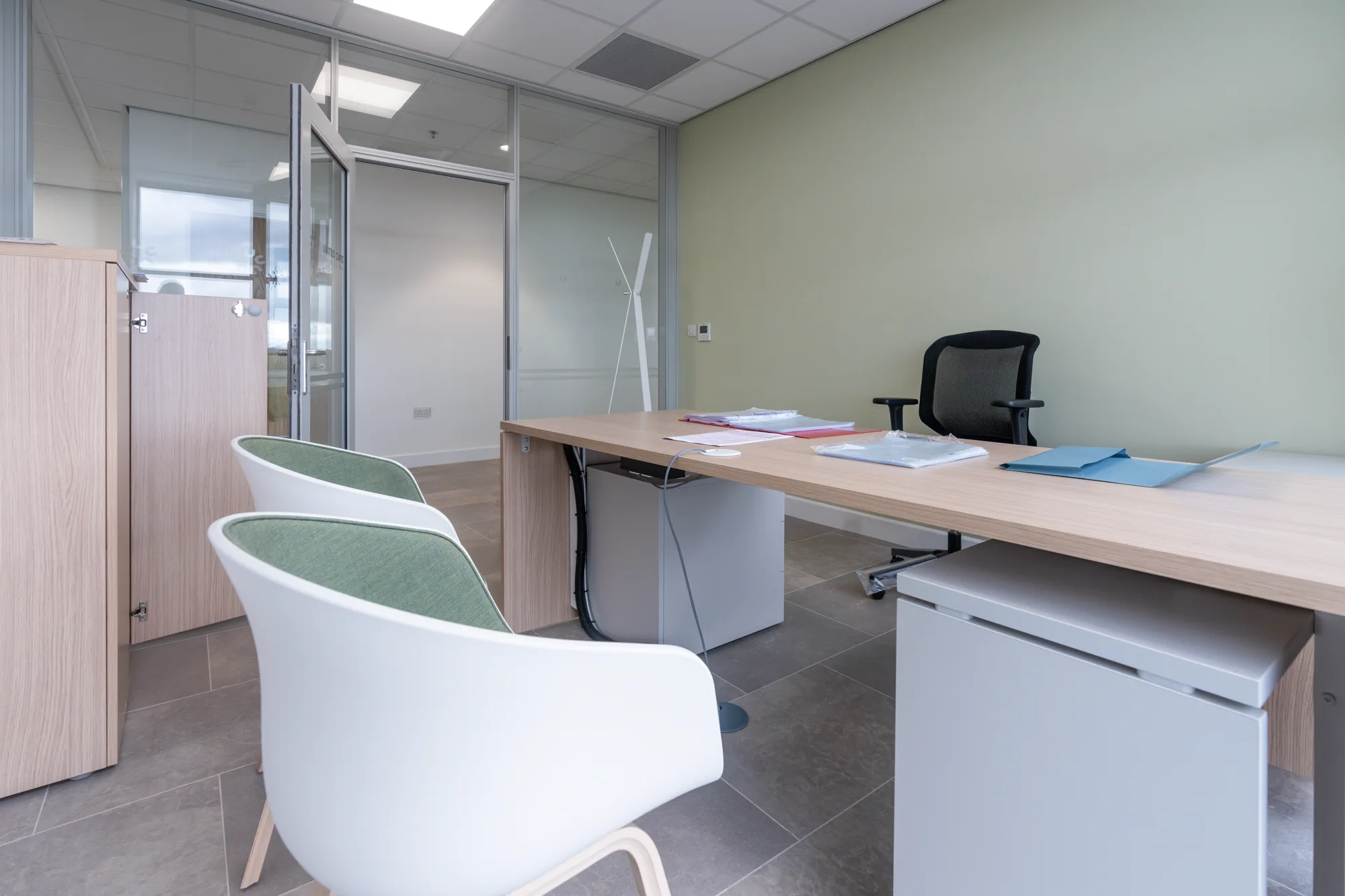
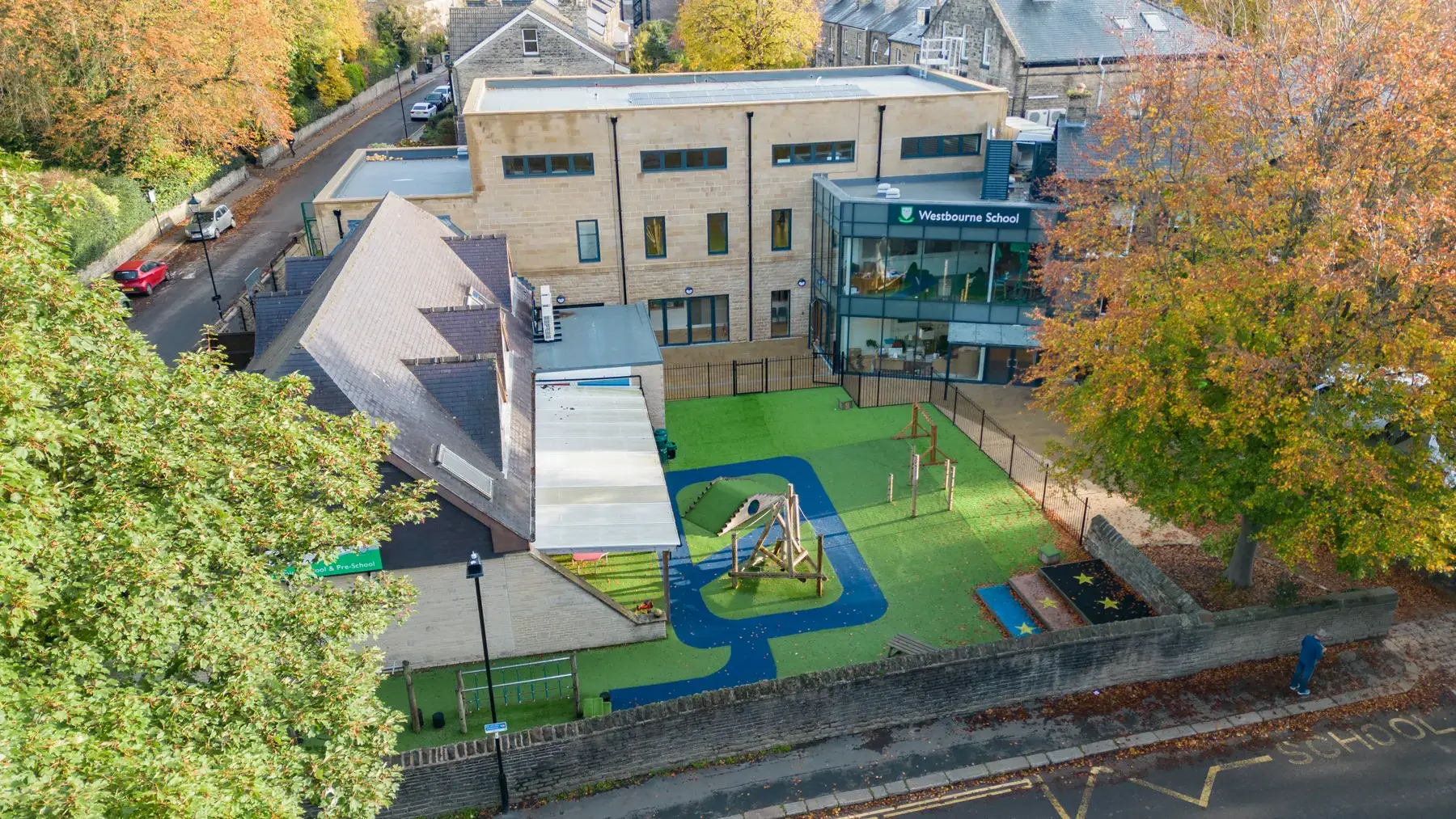
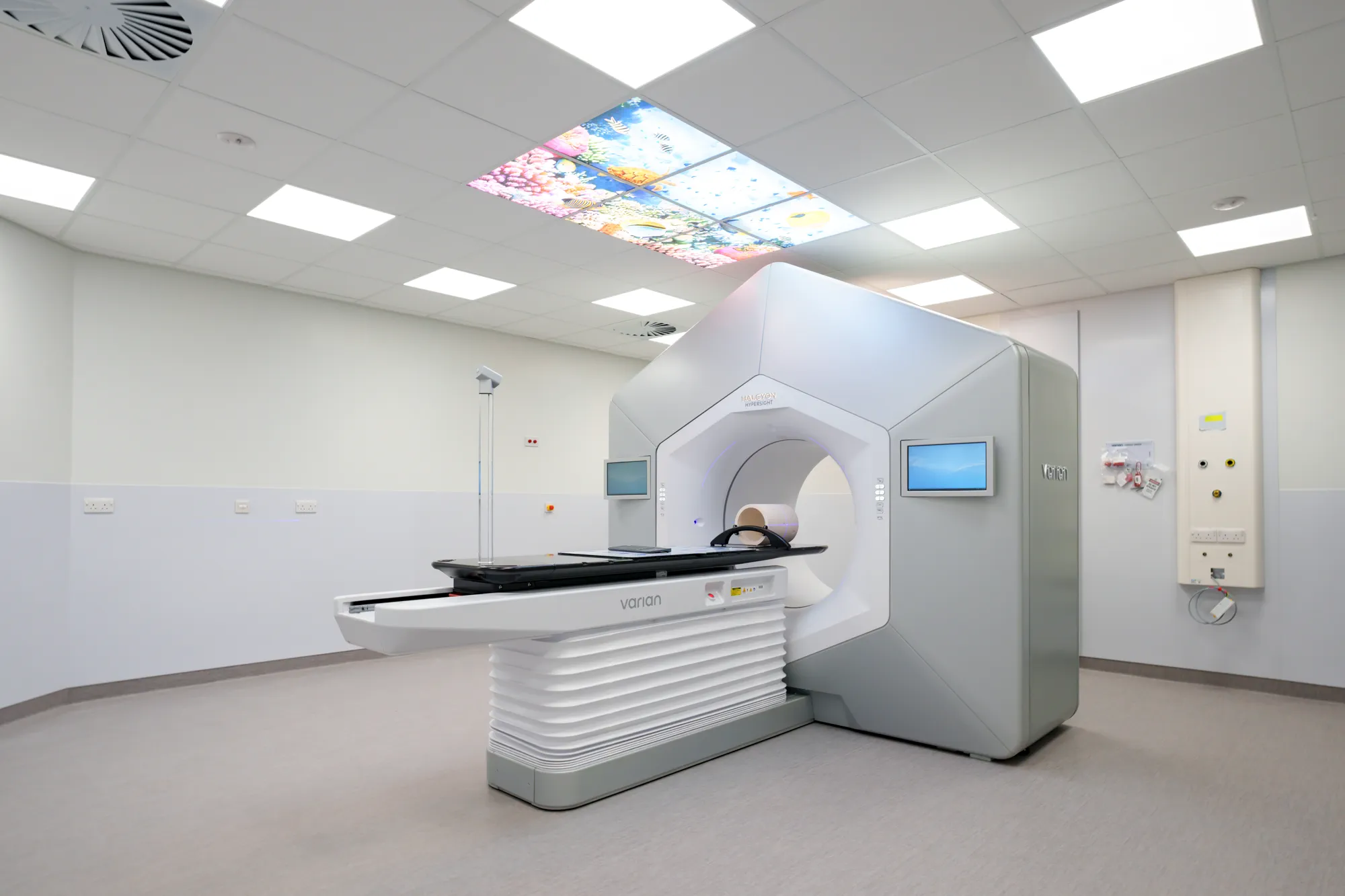
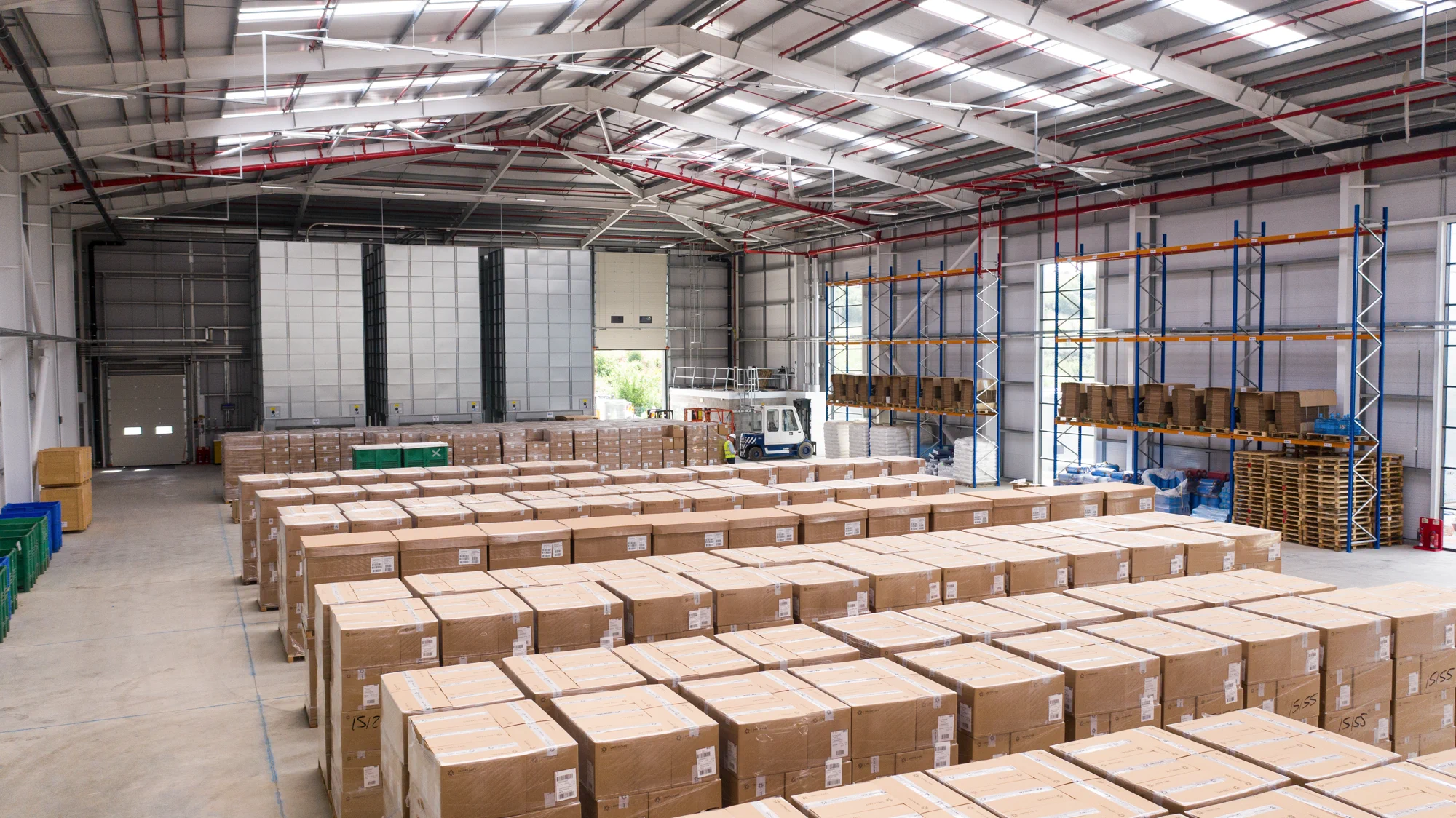
Our experience spans healthcare, education, commercial, industrial and retail environments, delivering projects safely, efficiently and with minimal disruption.
Contact Us
Start Your Project
Contact Us