Two of the most common types of building projects found in the construction industry are industrial and commercial construction projects. Although these projects share some similarities, there are key differences in how they should be approached.
So, what is the main difference between commercial and industrial construction?
The key difference between industrial and commercial construction is the intended use of the building. Industrial buildings are designed for the manufacturing, handling, distribution or storage of goods, such as warehouses, production facilities and storage buildings. However, commercial buildings are designed for business activities, such as offices, hotels and restaurants.
Read on for more detailed information about the differences between commercial and industrial building projects.
Commercial vs Industrial Construction Projects: What’s the Main Difference?
The main difference between commercial and industrial construction projects is the intended use of the building and the design priorities of the project. Industrial construction focuses on building structures designed for manufacturing and production processes, and there is typically a strong emphasis on functionality, rather than aesthetic design. However, commercial construction focuses on buildings designed to suit specific business purposes, such as offices, retail stores or restaurants. Because customers will use these buildings, there is a greater emphasis on aesthetic design and improving the customer experience.
Below, we’ll go over the main factors that separate industrial and commercial construction projects in more detail.
What Are the Key Differences Between Industrial and Commercial Building Projects?
Here’s an overview of the key differences between industrial and commercial construction projects.
Intended Usage and Typical Structures
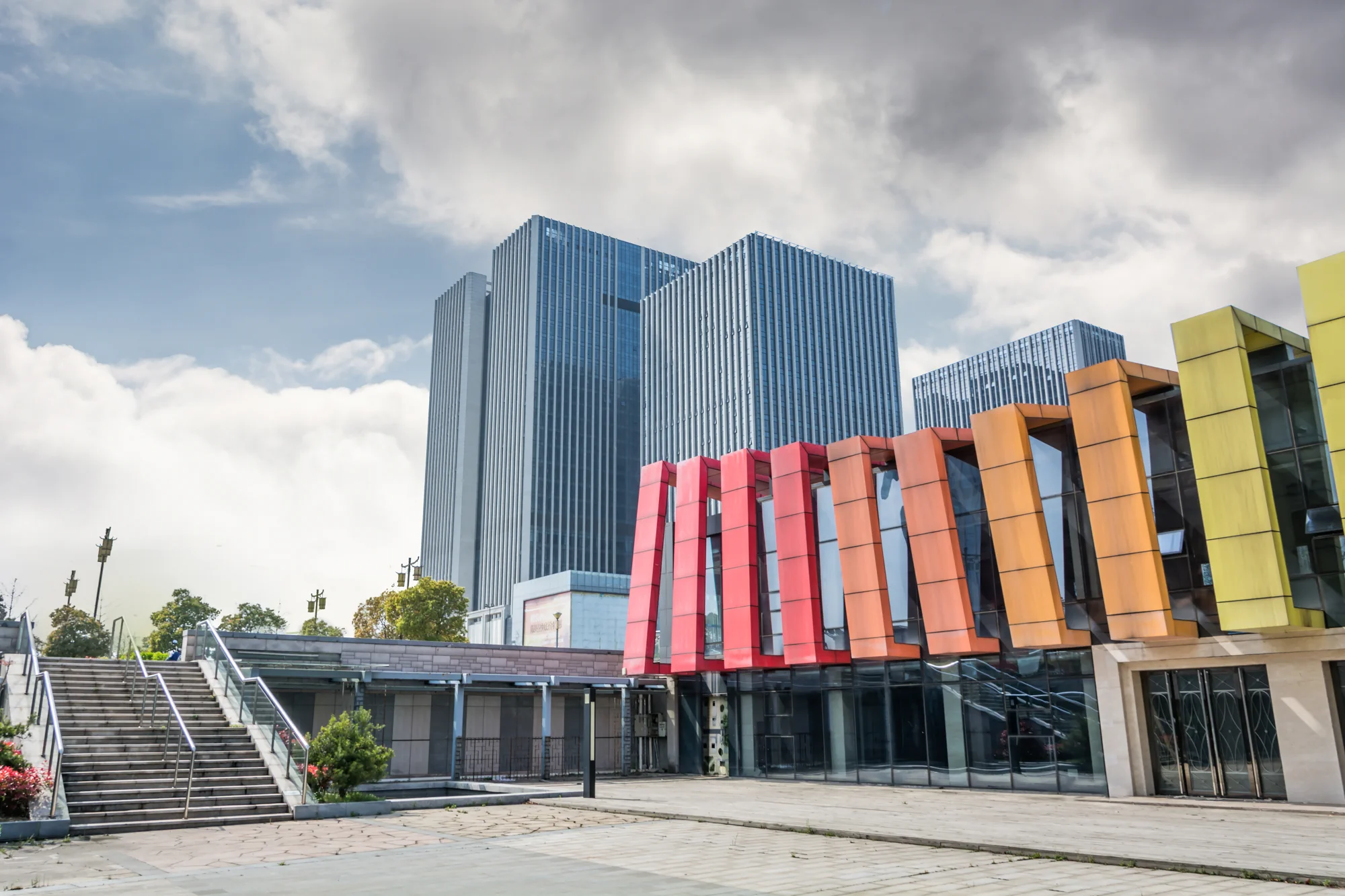
The main difference between these two types of construction projects is the intended use. Commercial construction involves constructing buildings for commercial usage, which are designed to generate a profit. The following are all examples of commercial buildings:
- Offices
- Retail stores
- Restaurants, bars and cafes
- Entertainment venues
- Leisure centres
- Cinemas
- Hotels
Industrial construction involves constructing buildings or other structures which are designed for industrial processes. This includes:
- Warehouses
- Factories
- Power plants
- Production facilities
- Research and development buildings
- Data centres
- Storage buildings
At Jarvale, we’ve completed numerous industrial and commercial construction projects, including offices, warehouses and hospitals. If you’re looking for an experienced construction partner for your next commercial or industrial project, you can rely on our expert team.
Design and Layout
The design and layout of commercial and industrial buildings are very different, and this is something that will affect every stage of the construction process.
Commercial construction projects:
- Focus on creating an aesthetically pleasing exterior to attract customers.
- Prioritise the unique needs of the business and its goals.
- Consider the customer experience and planned circulation patterns.
- Require clear signage and space for branding and logos.
- Need to focus on accessibility, providing ramps and wider doorways where required.
- Incorporate natural lighting to create a bright and welcoming space.
- Often involves separate spaces for customers and staff.
Industrial construction projects:
- Focus on functionality and efficiency in the layout and design.
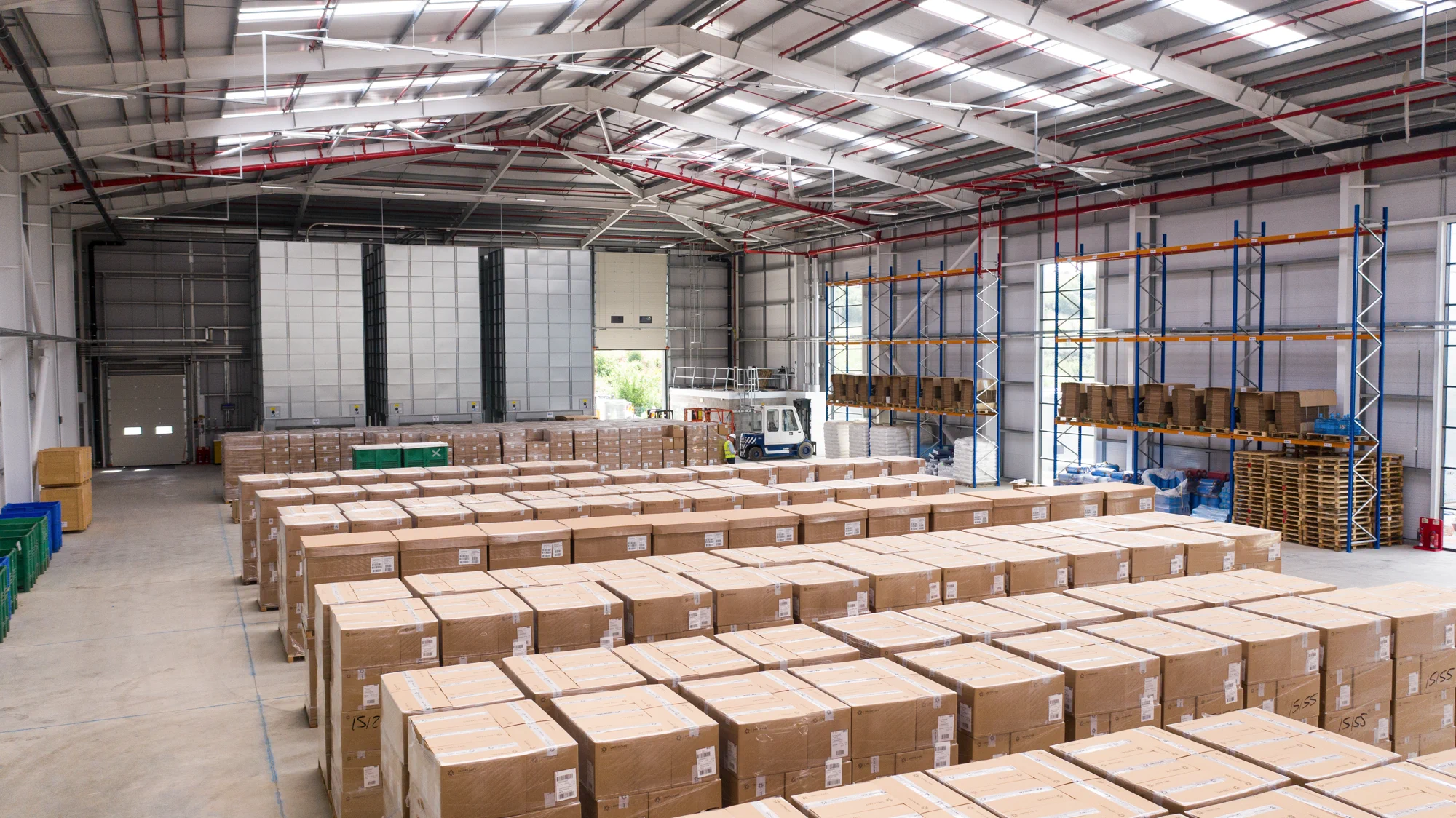
- Design large, open spaces with minimal interior partitions to allow for the movement of heavy machinery.
- Emphasises durable building materials, such as concrete and steel, with little focus on aesthetics.
- Consider the specific needs of the industrial building, such as storage requirements, production processes and machinery.
- Prioritise efficient storage areas, with racking systems and loading docks.
Involves minimal exterior design and a focus on practicality and security.
Location and Site Planning
Location and planning are integral to the success of both commercial and industrial construction projects, but there are some key differences in how these factors are approached:
- Commercial buildings are typically located in high-traffic areas, often in city centres or shopping districts. Foot traffic, public transport links and parking availability are all key considerations when site planning for commercial buildings.
- Industrial buildings are typically located in industrial estates or business parks. The availability of transportation for materials and finished products will need to be considered when site planning, as well as the ease of access for machinery and trucks.
Regulations
While both commercial and industrial construction projects must follow building regulations, requirements for planning permission and other relevant legislation, industrial projects typically face stricter regulations. Here are some of the additional requirements that need to be considered for industrial construction projects:
- Health and Safety at Work Act 1974. Industrial buildings need to adhere to stricter rules concerning machinery, heavy equipment and hazardous materials.
- Control of Substances Hazardous to Health (COSHH). This requires that hazardous substances be properly controlled to prevent harm to workers and the environment. In terms of construction, adequate ventilation and safe storage will need to be considered.
- Building Regulations 2010. Industrial buildings typically need to meet stronger structural standards than commercial buildings, and factors such as load-bearing capacity will need to be considered during the design phase. Additional fire resistance, exits and alarms might also be required, depending on the usage of the industrial building.
- The Clean Air Act 1993. Industrial buildings that release emissions and pollutants must adhere to relevant legislation, and this must be considered as part of the build.
For a more in-depth look at the building regulations for commercial buildings, read our blog, ‘Commercial Building Regulations in the UK’.
Industrial and Commercial Building Projects by Jarvale
At Jarvale, we’ve been delivering high-quality commercial and industrial construction projects for over 50 years. You can rely on our professional and experienced team to handle your commercial or industrial building project. We can assist with new builds, refurbishments, extensions, decarbonisation and upgrades.
Based south of Sheffield in Dronfield, Derbyshire, we have helped industrial and commercial clients across Yorkshire, Derbyshire and the Midlands. Working with us means you can be sure your project will be completed to the highest standard, on time and under budget. We hold certifications from Constructionline, have undergone Building Safety Act 2022 awareness training, and all of our operatives hold CSCS cards.
We offer both Design and Build and Turnkey building projects, depending on whether you would like to handle the project management yourself or allow our experienced team to manage the project on your behalf. View our full range of services to see how we can work together or check our completed projects to see how we’ve helped industrial and commercial clients in the past.
If you have any questions about our construction process, please fill out our contact form below, and we’ll be in touch at your earliest convenience.
Frequently Asked Questions
Commercial vs Industrial Construction FAQs
Discover More
Related Articles
Specialist Sector Expertise
Construction Solutions Across Multiple Industries
Our experience spans healthcare, education, commercial, industrial and retail environments, delivering projects safely, efficiently and with minimal disruption.
Contact Us
Start Your Project
Contact Us