Cost planning in construction projects is an essential process for any successful project. It allows you to estimate, allocate, and control the costs of the project from beginning to end by creating detailed cost plans.
With cost planning, you can:
- Break down your costs: plan out your costs, both direct and indirect, so you know what needs to be spent and where.
- Create a risk management plan: Knowing the costs early on provides you with the visibility you need to mitigate risks such as going over budget.
- Gain financial control: Manage your cash flow by regularly monitoring and reporting on your costs.
Keep reading to find out the benefits of cost planning in construction, and more details on what a cost plan is.
What Is A Cost Plan In Construction?
A cost plan is a way for you to estimate, allocate, and control the costs of your project. With a detailed cost plan, you can break down all aspects of your project to ensure it stays within the budget you have set and meets your financial objectives. This will include costs related to any materials, labour, equipment, and other expenses that are associated with your project.
With a cost plan, you’ll be able to easily track and update any costings throughout the duration of your project, and it is useful not only to you but also to everyone involved, such as clients, contractors, and engineers.
What Should A Construction Cost Plan Include?
In any cost plan, you should include all elements that are related to expenses throughout the project. You should have both direct costs and indirect costs.
Direct costs are things such as materials, labour, and equipment that are linked to the physical construction process.
Indirect costs are expenses that are necessary to complete the project, but are not directly tied to the construction aspect, such as rent, administrative expenses like permits, and contingencies to cover unexpected expenses.
With all the direct and indirect costings accounted for, you’ll be able to create a realistic budget and calculate the expected profit margin.
Benefits Of Cost Planning In Construction
A well-developed construction cost plan can serve as the financial framework for your project. It can highlight risks early on and guide your decision-making so you stay on track and within budget. The financial performance of your project can only be assessed correctly when you have gathered accurate information and continue to update and evaluate this as your project progresses.
Other benefits of having a cost plan include:
- Risk mitigation. Minimise financial risks by identifying where excess costs could arise, so you can alter plans or move resources to avoid any budget overruns.
- Avoid unnecessary and unexpected expenses. When you provide a detailed breakdown of all your anticipated expenses, it makes it easier to manage your costs and ensures you will have funds available when they are needed. This will help you to avoid unnecessary or unexpected expenses, as everything should already be planned for.
- Financial transparency. With a cost plan, every aspect of your budget should be accounted for and detailed accordingly. This ensures that every person who has access to the plan knows exactly what and where the budget is going. This also helps to control where the money is being spent.
- Improved decision-making. As the point of a cost plan is also to allow every person involved in the project access, this can help when it comes to making decisions, big and small. For example, should a change need to be made, the relevant people can take a look at the plan and see how this could affect the overall cost, and what could be moved around/avoided to make the change work.
Stages Of Cost Planning In Construction
A cost plan is only truly useful when performed correctly. It needs to be put together accurately by following the steps below.
1. Understand The Scope Of The Project
It can be difficult to put together and determine the full scope of a project, but it is vital to a successful cost plan. All major components need to be defined, such as:
- What materials will be needed, and when.
- The project duration.
- The equipment that will need to be purchased or rented.
- The calculated overhead of the project.
- Labour cost and availability.
Once you truly understand the full scope of your project, you can start to piece together your construction cost plan.
2. Initial cost estimate
Create an early estimate based on the high-level information you procured in the scope of the project. This will help you determine the project’s viability. Once you have all this information, you can begin to put together a more refined estimate and secure initial funding if needed.
3. Define Contingencies And Allowances
You should set aside a percentage of the budget (around 5-10%) to cover any unplanned expenses as the project progresses. You might also want to consider placing money aside for an allowance. This money would be used for items that may be subject to price adjustments when you come to purchase them.
This is one of the most important stages of cost planning in construction, as it can provide you with a buffer to cover the unexpected and unknown costs of the project. You can only truly start to create a realistic contingency budget once you understand the scope of the project, so try not to skip to this step earlier than you should.
4. Detailed Cost Planning
This is where you create a more detailed estimate that breaks down the costs by building elements such as foundations, walls, roofs etc. Translate this information into a formal budget, but make sure to leave room for your allowances and contingencies.
5. Communicate With Stakeholders
Make sure to communicate with your stakeholders and make it a collaborative process. This includes the contractors, subcontractors, vendors, and designers. This will help all parties understand the financial goals of the project as well as allow them to provide insights into any risks, cost drivers, and missed opportunities.
6. Regular Reviews
Don’t just set your cost plan and leave it to run on its own. Your construction cost plan will need to be reviewed regularly and updated. Keep an eye on direct and indirect costs and how these differ from your initial plan so that you can identify discrepancies and tackle them before they become a bigger issue. This will allow you to keep an eye on your budget and avoid overruns.
Trust Jarvale To Follow Your Cost Plan
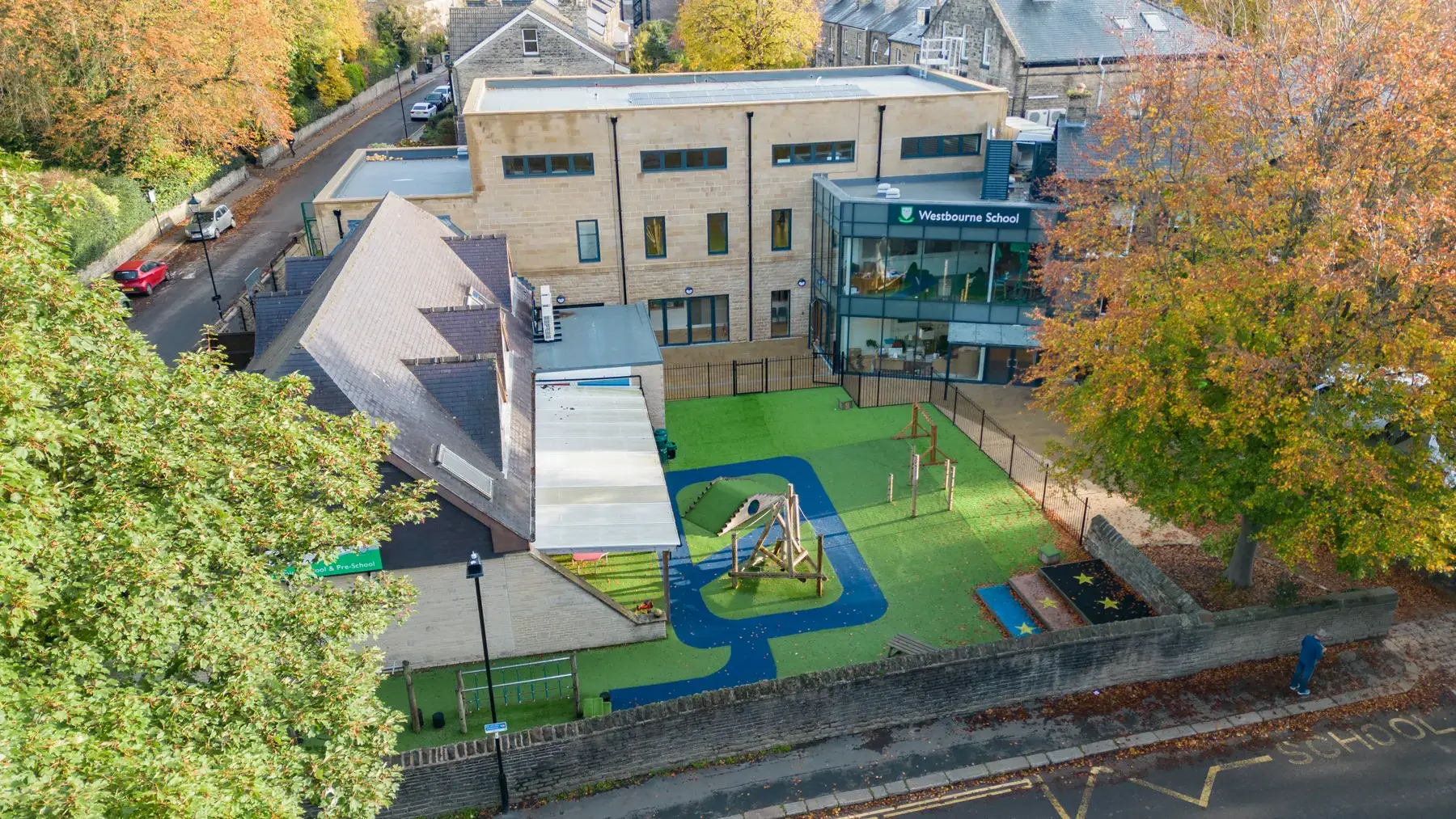
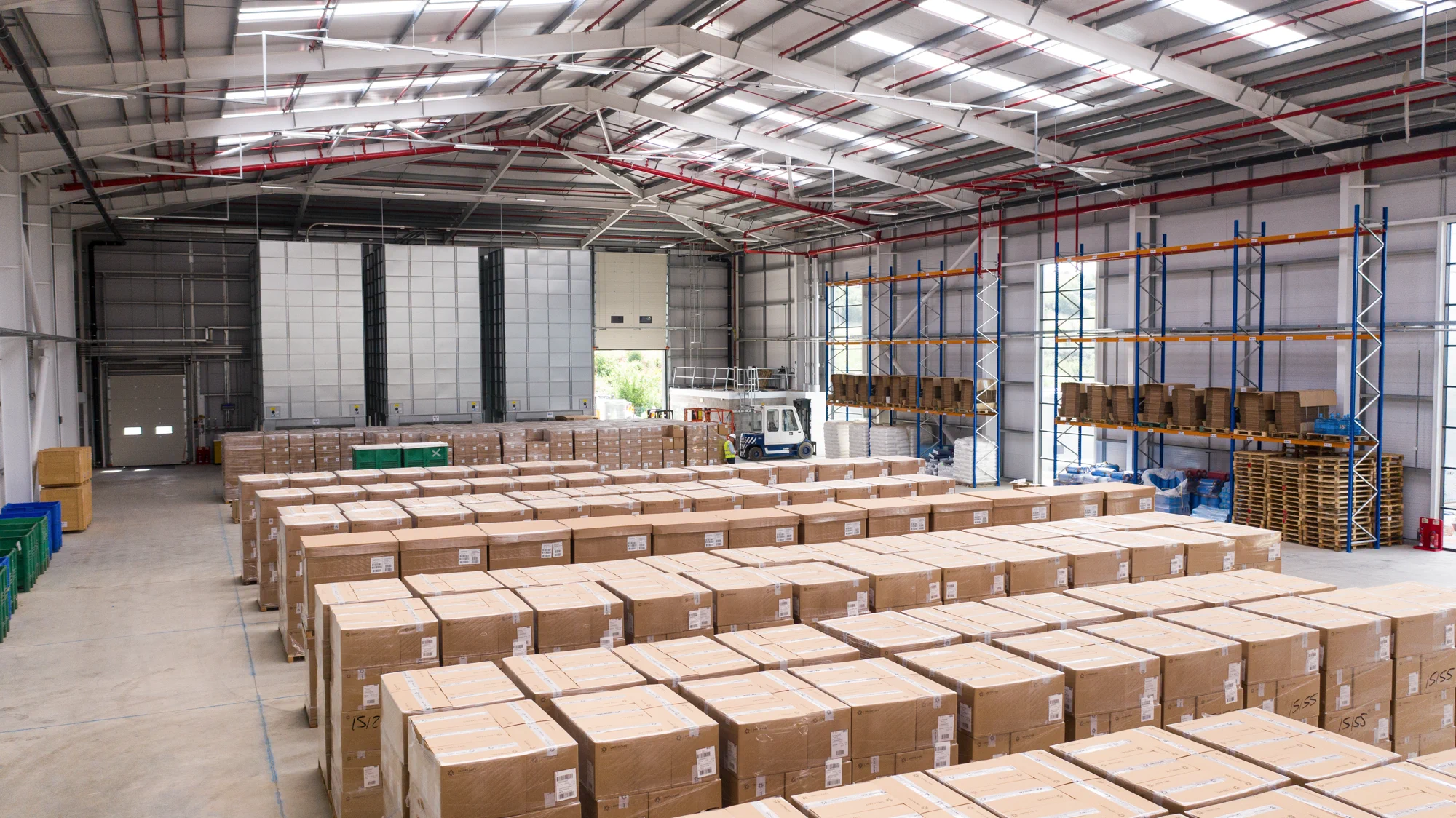
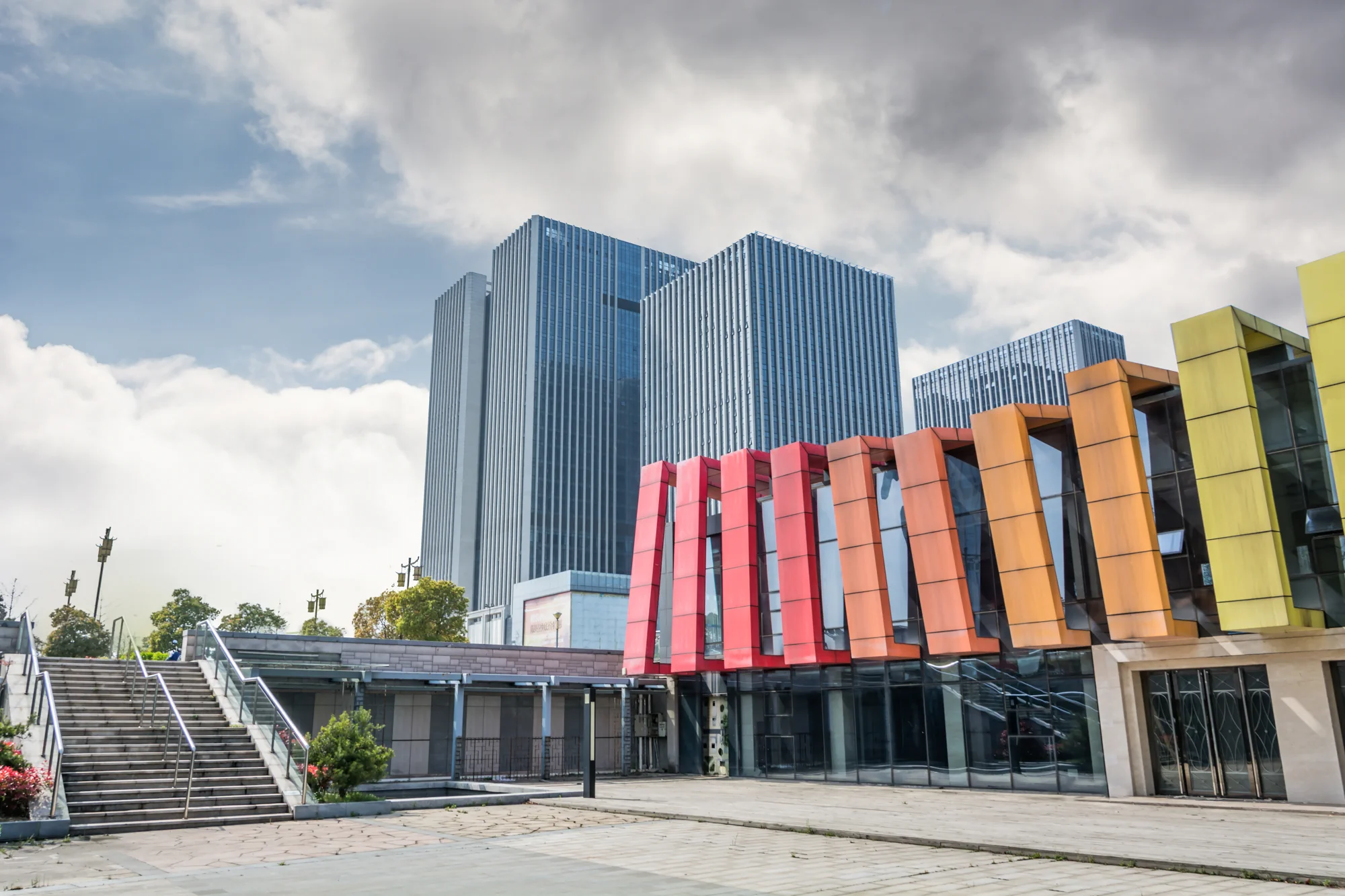
Jarvale have over 50 years of experience helping businesses like yours complete projects on time and within budget. We have helped many sectors with their construction projects, such as healthcare, education, and commercial.
We are a family-run company and are always committed to delivering the highest quality, best value construction contracts. We are registered with Constructionline, and our operatives hold CSCS cards. So whether you’re looking for complete turnkey construction or design and build, reach out to us today and find out how we can help you.
Discover More
Related Articles
Specialist Sector Expertise
Construction Solutions Across Multiple Industries
Our experience spans healthcare, education, commercial, industrial and retail environments, delivering projects safely, efficiently and with minimal disruption.

Contact Us
Start Your Project
Contact Us